






![Documents Needed to Rent an Apartment: 11 Must-Have Papers [2026]](https://softappartment.com/wp-content/uploads/2026/10/documents-needed-to-rent-an-apartment-11-must-have-papers-150x150.jpg)



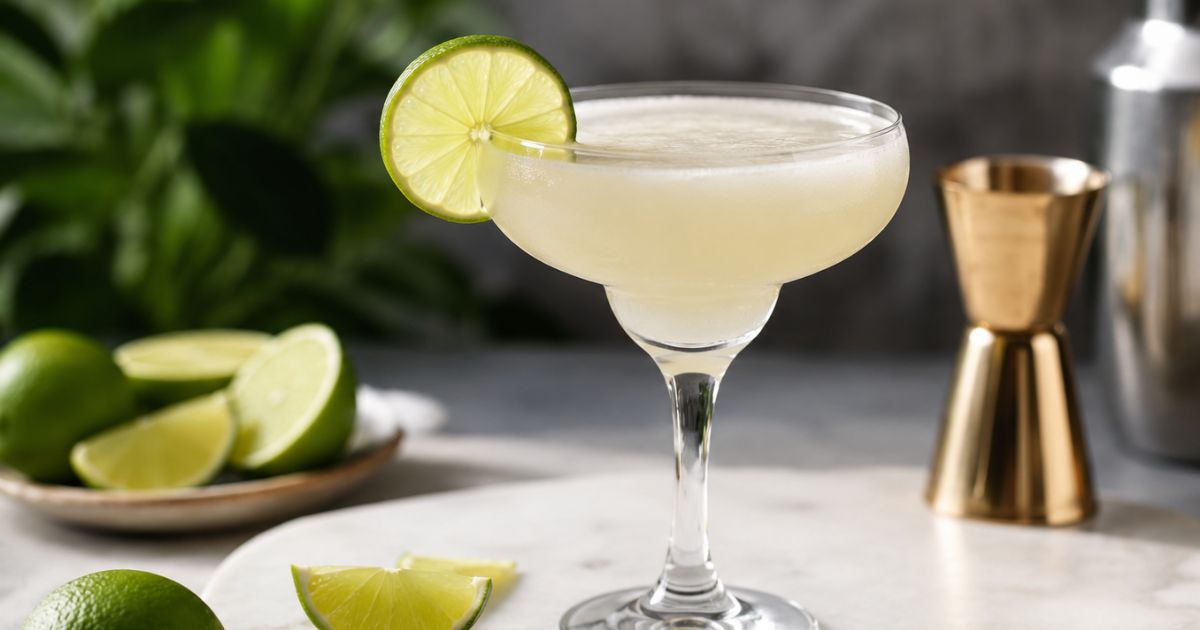
A great Daiquiri recipe doesn’t need a long ingredient list or fancy equipment. At its heart, this famous Daiquiri cocktail brings together rum, fresh citrus, and sweetness in a crisp, balanced drink. The simplicity is exactly what makes it so rewarding.
Whether you’re new to classic cocktails or already enjoy making drinks at home, small details matter here. Fresh citrus, proper chilling, accurate measurements, and good dilution can transform an ordinary drink into something remarkably smooth. This guide explains the classic method, its Cuban roots, useful variations, and the easiest ways to avoid a disappointing result.
What Is a Daiquiri?
A classic Daiquiri is a rum-based classic cocktail traditionally made with white rum, fresh lime juice, and sugar.The International Bartenders Association lists white Cuban rum, fresh lime juice, and superfine sugar as its core ingredients — you can see the official IBA Daiquiri recipe on their site.
Unlike many modern frozen drinks, a traditional Daiquiri is shaken with ice and strained into a chilled cocktail glass. The result should taste bright, refreshing, and distinctly sweet and tart without either side overpowering the other.
What Makes a Classic Daiquiri Different?
The magic comes from balance rather than complexity. Good rum provides the backbone, while lime juice brings acidity and the sweetener rounds the edges. When properly chilled and diluted, the drink feels lively rather than harsh.
The Origins and History of the Daiquiri
The Daiquirí takes its name from a town and iron-mining area in Cuba. Over time, the drink became closely associated with Havana’s cocktail culture. Its reputation grew further through El Floridita and the famous bartender Constantino Ribalaigua Vert.
The cocktail also became strongly linked with Ernest Hemingway. Smithsonian notes that Hemingway regularly visited Floridita and became known for a drier, stronger variation associated with the Hemingway Daiquiri. That history helped turn a simple Cuban drink into an enduring international classic.You can read the full account in Smithsonian’s profile of Hemingway’s time in Havana.
How the Daiquiri Became a Classic Cocktail
The drink’s appeal traveled because its formula is remarkably adaptable. It works as a simple shaken cocktail while also providing a foundation for fruit, herbal, tropical, and modern riffs. That versatility explains why bartenders continue to reinterpret it today.
Why the Classic Daiquiri Works
The Daiquiri ingredients follow a simple flavor triangle. Rum supplies alcohol and character. Lime adds sharp acidity. Sugar softens that acidity and makes the drink feel rounder. Remove too much sweetness and the cocktail can taste severe. Add too much and the citrus disappears.
Dilution matters just as much. Shaking with ice cools the drink while adding a controlled amount of water. That water isn’t a flaw. It helps integrate the flavors and takes the rough edge off the spirit, creating a smoother finished drink.
The Perfect Sweet-Tart Balance
Think of the drink like a seesaw. Too much lime juice tips it toward sharpness. Too much sweetener pushes it toward syrupy territory. A well-made Daiquiri sits comfortably between those extremes while still allowing the rum to remain noticeable.
Daiquiri Ingredients You’ll Need
For a classic Daiquiri recipe, keep the ingredient list short. The IBA specifies 60 ml white Cuban rum, 20 ml fresh lime juice, and two bar spoons of superfine sugar. Its method calls for dissolving the sugar before adding ice and shaking.
If you prefer easier home preparation, simple syrup offers a convenient alternative because it blends into cold liquid more readily than granulated sugar. Fresh citrus also matters enormously. Bottled juice can taste flatter and less aromatic than fresh lime squeezed shortly before mixing. If you’re stocking a home bar for the first time, our First Apartment Kitchen Essentials checklist covers the basic tools jigger, shaker, strainer worth having on hand.
| Ingredient | Classic Amount | Purpose |
| White rum | 60 ml | Provides the base |
| Fresh lime juice | 20 ml | Adds acidity |
| Superfine sugar | 2 bar spoons | Balances tartness |
| Ice | As needed | Chills and dilutes |
Choosing the Best Rum, Lime, and Sweetener
Choose a clean white rum that you enjoy drinking. Freshly squeezed lime gives the brightest flavor. If using simple syrup, adjust it gradually because sweetness varies between recipes and brands.
How to Make a Classic Daiquiri
Making this Daiquiri recipe is straightforward once the proportions become familiar. First, combine the rum, lime juice, and sweetener in a cocktail shaker. If using granulated sugar, stir first so it dissolves rather than settling at the bottom.
Add plenty of ice and shake firmly until the shaker becomes very cold. Then strain the drink into a chilled glass. The IBA specifically recommends stirring the ingredients to dissolve sugar before adding ice and shaking.
Classic Daiquiri Recipe and Instructions
For one serving, combine 2 ounces white rum, about ⅔ ounce fresh lime juice, and an appropriate amount of superfine sugar or simple syrup. Shake vigorously with ice for roughly 10–15 seconds, then pour through a strainer into a chilled cocktail glass.
Is a Daiquiri Always Frozen?
No. The traditional drink is a shaken Daiquiri, not a frozen one. Many people associate the name with slushy fruit drinks because frozen versions became widely popular. Those drinks are part of the broader Daiquiri family, but they aren’t the original preparation.
A frozen Daiquiri usually combines the ingredients with crushed or blended ice. This creates a thicker texture and often includes fruit or additional sweetener. The classic version remains cleaner, sharper, and more spirit-forward.
Classic Shaken vs. Frozen Daiquiri
A shaken version offers a silky, cold, lightly diluted texture. A blended Daiquiri feels thicker and more refreshing in hot weather. Neither approach is inherently wrong. The choice simply depends on the texture and style you’re after this shaken-vs-frozen distinction also comes up in the drink menu ideas from our Summer Apartment Party Ideas guide.
Popular Daiquiri Variations to Try
Once you’ve mastered the classic, Daiquiri variations become an easy way to experiment. Fruit can add sweetness and aroma, while herbs, liqueurs, or unusual syrups can create a more complex profile. The key is preserving enough acidity to keep the drink lively.
A fruit Daiquiri might use pineapple, strawberry, banana, or another ripe fruit. The Hemingway version takes a different route by combining rum with grapefruit, lime, and maraschino liqueur. The IBA’s Hemingway Special uses 60 ml rum, 40 ml grapefruit juice, 15 ml maraschino liqueur, and 15 ml fresh lime.
Fruity and Modern Daiquiri Variations
Modern Daiquiri recipes can include tropical fruit, herbs, bitters, amaro, or other flavorful additions. Keep the original balance in mind when experimenting. If an ingredient adds sweetness, you may need less syrup. If it adds acidity, adjust the lime accordingly.
How to Serve and Garnish a Daiquiri
Presentation should stay elegant because the drink itself is uncomplicated. A properly chilled cocktail glass works beautifully for the classic style. Straining removes the loose ice and leaves a clean, polished drink with a smooth texture.
A lime wheel or small lime twist can provide a simple finishing touch. However, you don’t need elaborate garnishes. The drink’s pale, translucent appearance and crisp aroma already make a strong impression.
Best Glassware and Garnishes
Chill the glass before mixing when possible. Serve the strained cocktail immediately after shaking so it stays cold. A restrained lime garnish works better than an overloaded decoration that distracts from the drink’s clean character.
Common Daiquiri Mistakes to Avoid
The biggest mistake is treating every Daiquiri like a generic sour. Too much sweetener can bury the rum. Too much lime can make the drink painfully sharp. Weak shaking can leave it warm and poorly diluted, while excessive shaking can create unnecessary dilution.
Another common problem involves old citrus. Lime juice loses some of its fresh aroma after sitting for too long. Measuring by eye can also produce inconsistent results. For repeatable cocktails, use a jigger and taste your preferred ratio over several batches.
How to Fix an Overly Sweet or Sour Daiquiri
If your drink tastes too sour, add a small amount of sweetener and shake briefly again. If it’s too sweet, a modest addition of fresh lime can restore balance. Make adjustments gradually because tiny changes can have a surprisingly large effect.
Final Thoughts
A great Daiquiri recipe proves that simplicity can be remarkably sophisticated. You only need a few ingredients, yet their proportions, freshness, temperature, and dilution all matter. Start with the classic formula before experimenting with creative twists.
Once you understand that balance, the entire family of Daiquiri variations becomes easier to explore. Whether you prefer a crisp shaken drink or a tropical frozen version, good technique will always make the difference. The goal is simple: cold, balanced, refreshing, and unmistakably Daiquiri.
Frequently Asked Questions About Daiquiris
What is a classic Daiquiri made of?
A classic Daiquiri uses white rum, fresh lime juice, and sugar or another suitable sweetener. The IBA uses a 60 ml, 20 ml, and two-bar-spoon formula.
Is a Daiquiri shaken or blended?
A traditional Daiquiri is shaken with ice and strained. Frozen versions are blended with ice for a thicker texture.
What type of rum is best for a Daiquiri?
A clean white rum works especially well because it lets the citrus and sweetness remain prominent. More flavorful rums can create interesting variations.
Can I use bottled lime juice?
Fresh lime juice generally gives the drink a brighter aroma and sharper flavor. Bottled juice can work when fresh limes aren’t available.
What is the difference between a Daiquiri and a frozen Daiquiri?
A classic Daiquiri is shaken and strained. A frozen Daiquiri is blended with ice and usually has a thicker, slushier texture.