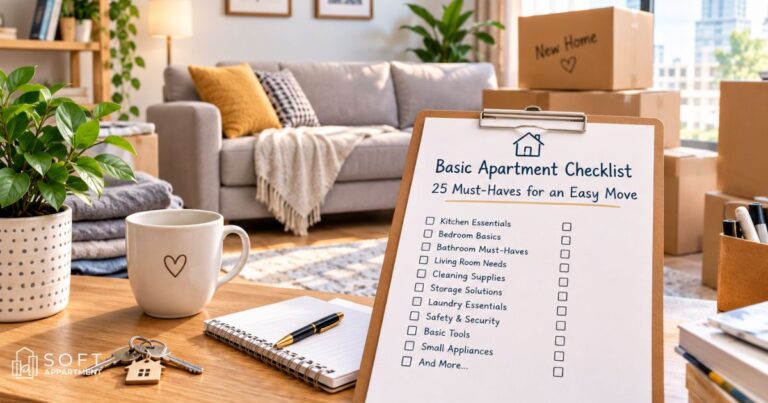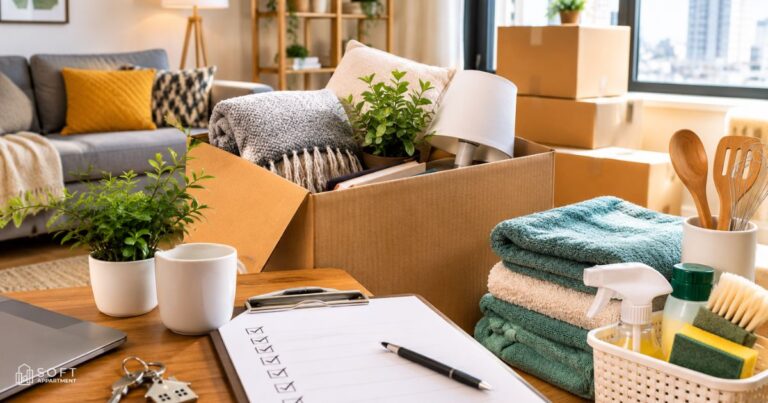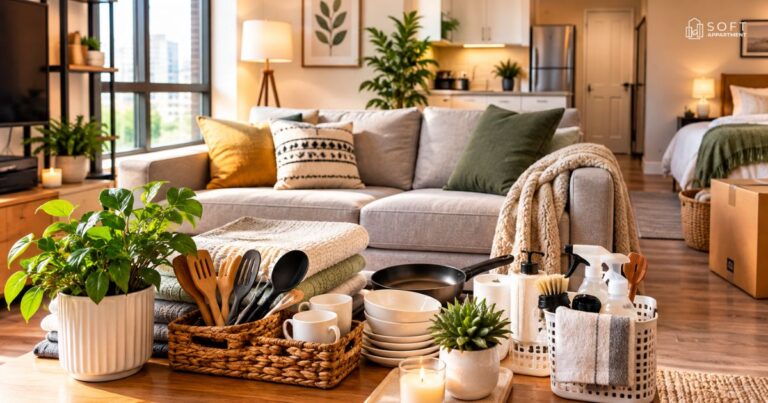










Moving into your first home is exciting, but it can also feel overwhelming when you realize how many everyday items you actually need. A well-planned first apartment checklist helps you stay organized, avoid unnecessary purchases, and make sure nothing important gets left behind. From kitchen supplies and bedroom basics to bathroom essentials and cleaning products, having the right apartment move-in essentials creates a comfortable and functional living space from day one.
Whether you’re renting your first place or starting fresh, this complete new apartment checklist covers all the essential household items and first apartment essentials you need to settle in confidently while saving both time and money.
Before You Start Shopping for Your First Apartment
Before opening Amazon or visiting your local furniture store, spend some time inspecting your apartment carefully. This simple step can save both money and frustration.
Walk through every room and make a list of everything that already comes with the apartment. Many rentals include kitchen appliances, window blinds, bathroom mirrors, smoke detectors, and even built-in storage. Buying duplicates only wastes money and creates clutter.
Next, measure every important area. Record the dimensions of your bedroom, living room, hallways, elevators, and doorways. Large furniture often fits inside a room but cannot fit through the entrance. Planning ahead makes it easier to buy the right bedroom essentials that fit your space perfectly and avoid costly moving-day surprises.
You should also confirm which utilities are your responsibility. Depending on your lease, you may need to arrange electricity, internet, water, natural gas, or renter’s insurance before move-in day. Completing these tasks early means you’ll have a comfortable home from the first night instead of waiting several days for essential services.
Finally, create three shopping categories instead of one long list.
Must Buy Immediately
These are items you cannot comfortably live without during your first week. Think about your mattress, bedding, towels, basic cookware, toiletries, toilet paper, cleaning supplies, trash bags, and a few groceries.
Buy During the First Month
After settling in, you can purchase larger furniture like a sofa, coffee table, bookshelves, lamps, and extra storage containers. Living in your apartment for a few weeks helps you understand what you truly need instead of making impulse purchases.
Buy Later
Decorative pillows, artwork, smart home devices, expensive coffee machines, air purifiers, and luxury furniture can all wait. These upgrades improve your lifestyle but are rarely urgent.
This simple prioritization prevents one of the biggest financial mistakes first-time renters make—spending their entire budget before buying the essentials.
How Much Does It Cost to Furnish Your First Apartment?
One question almost every first-time renter asks is, “How much money should I save before moving?”
The answer depends on whether you buy everything new, shop second-hand, or receive furniture from family and friends. However, having a realistic budget makes planning much easier.
For most people in the United States, a basic apartment setup usually falls into one of these ranges:
Budget Setup ($800–$1,500): Second-hand furniture, affordable cookware, basic household essentials, and minimal decoration.
Mid-Range Setup ($1,500–$3,000): New furniture from budget retailers, quality kitchen supplies, better storage solutions, and a few decorative items.
Comfortable Setup ($3,000+): Premium furniture, home office equipment, smart home accessories, and designer décor.
Remember that these estimates don’t include your security deposit, first month’s rent, moving truck, utility deposits, or internet installation fees. Those expenses often surprise first-time renters more than furniture costs.
A helpful budgeting rule is to spend most of your money on items you use every day. A good mattress, comfortable pillows, and reliable cookware provide more long-term value than expensive decorations.
Kitchen Essentials You’ll Actually Use Every Day
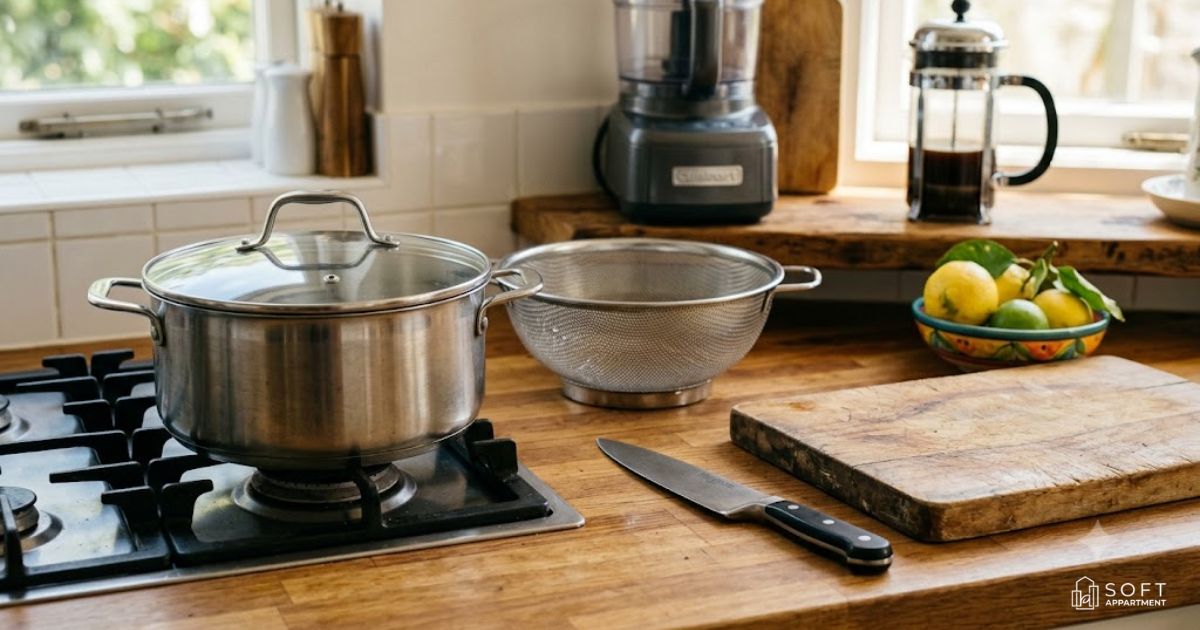
The kitchen is where you’ll notice the biggest savings after moving in. Cooking at home just a few times each week can reduce food expenses significantly compared to ordering takeout every day.
The good news is that you don’t need a fully stocked kitchen to prepare most meals. A few high-quality basics are enough for beginners.
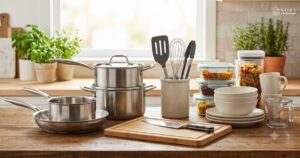
Start with one frying pan, one medium saucepan, and one large cooking pot. Together, these three pieces of cookware allow you to prepare breakfast, pasta, soups, rice, vegetables, and simple one-pot meals without buying an expensive cookware set.
A sharp chef’s knife is another item worth investing in. Many cheap knife sets include six or seven knives that rarely get used. One quality chef’s knife paired with a cutting board handles nearly every food preparation task.
You’ll also need everyday dining essentials, including plates, bowls, drinking glasses, mugs, forks, spoons, and knives. Buying a simple four-person dinnerware set is often cheaper than purchasing individual pieces later.
Food storage containers deserve more attention than most people realize. Leftovers help reduce food waste, save money, and make meal preparation easier during busy weeks. Choose microwave-safe containers with secure lids so they can move directly from the refrigerator to the microwave.
When it comes to small appliances, avoid buying everything immediately. Coffee makers, blenders, air fryers, rice cookers, and stand mixers are useful, but only if they’ll become part of your daily routine. Many first apartments have limited counter space, so every appliance should earn its place.
A final kitchen tip that many checklists overlook is to keep a small supply of basic pantry ingredients before move-in day. Rice, pasta, cooking oil, salt, pepper, flour, sugar, canned vegetables, and a few frozen meals can help you settle into your new home without making multiple grocery trips during your first week.
Bedroom Essentials for Better Sleep and Better Mornings
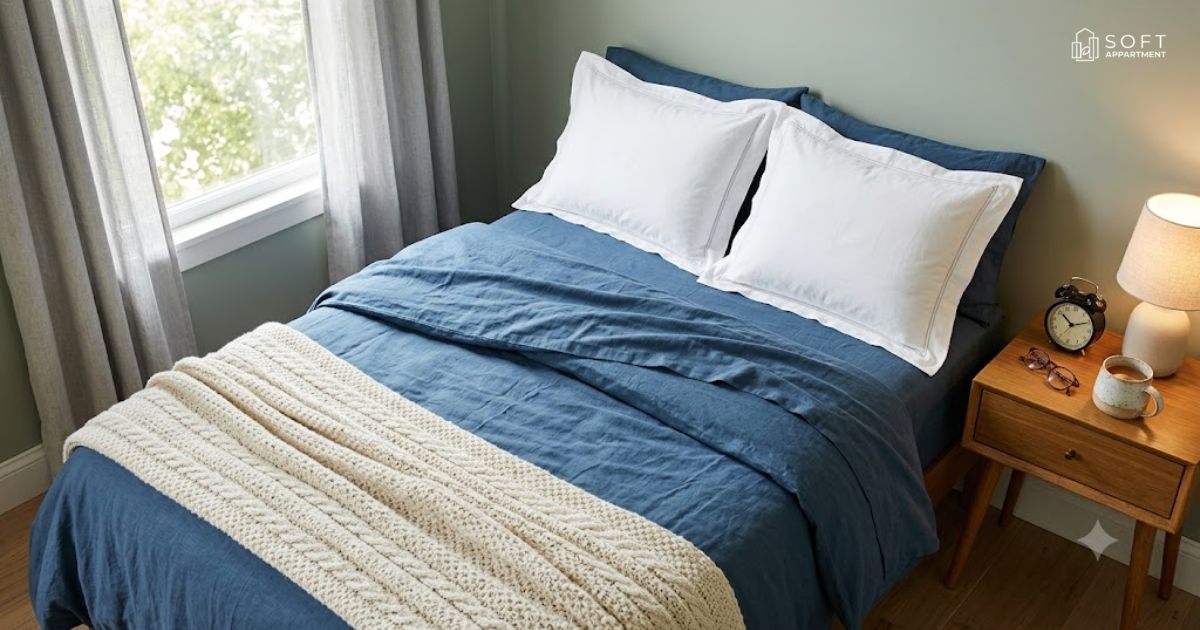
After a long day of unpacking and settling in, nothing matters more than getting a good night’s sleep. While many first-time renters focus on buying a stylish bed frame or matching furniture, the truth is that your mattress and bedding have a much bigger impact on your comfort than your bedroom‘s appearance.
If your budget is limited, prioritize a quality mattress over decorative furniture. You can always add a bed frame later, but sleeping on an uncomfortable mattress for months can affect your sleep, energy levels, and even your back.
Your bedroom essentials should include:
- Mattress
- Mattress protector
- Bed sheets (at least two sets)
- Pillows
- Blanket or comforter
- Laundry hamper
- Hangers
- Nightstand (optional at first)
- Small bedside lamp
Many new renters forget storage. If your apartment has a small closet, consider under-bed storage boxes or fabric bins instead of buying a large dresser immediately. These affordable solutions keep seasonal clothes, extra bedding, and shoes organized without taking up valuable floor space.
Another simple upgrade is blackout curtains. They improve sleep quality, increase privacy, and can even help reduce heating and cooling costs throughout the year.
Bathroom Essentials You Need Before the First Night
The bathroom is one room you don’t want to leave unfinished after moving in. Imagine arriving late at night only to realize you forgot a shower curtain, toilet paper, or bath towels. A complete bathroom essentials checklist ensures your space is clean, functional, and ready to use from the moment you arrive.
Pack these items separately so they’re easy to find on moving day.
Basic bathroom checklist
- Bath towels
- Hand towels
- Toilet paper
- Shower curtain and rings
- Bath mat
- Hand soap
- Toothbrush and toothpaste
- Shampoo and body wash
- Toilet brush
- Plunger
- Small trash can
- Storage basket
One item many people overlook is the plunger. It isn’t something you’ll use often, but when you need one, you’ll be glad you already have it.
If your bathroom has limited storage, install removable adhesive shelves or corner organizers instead of drilling holes into the walls. They’re renter-friendly, inexpensive, and easy to remove when your lease ends.
Living Room Essentials Without Overspending
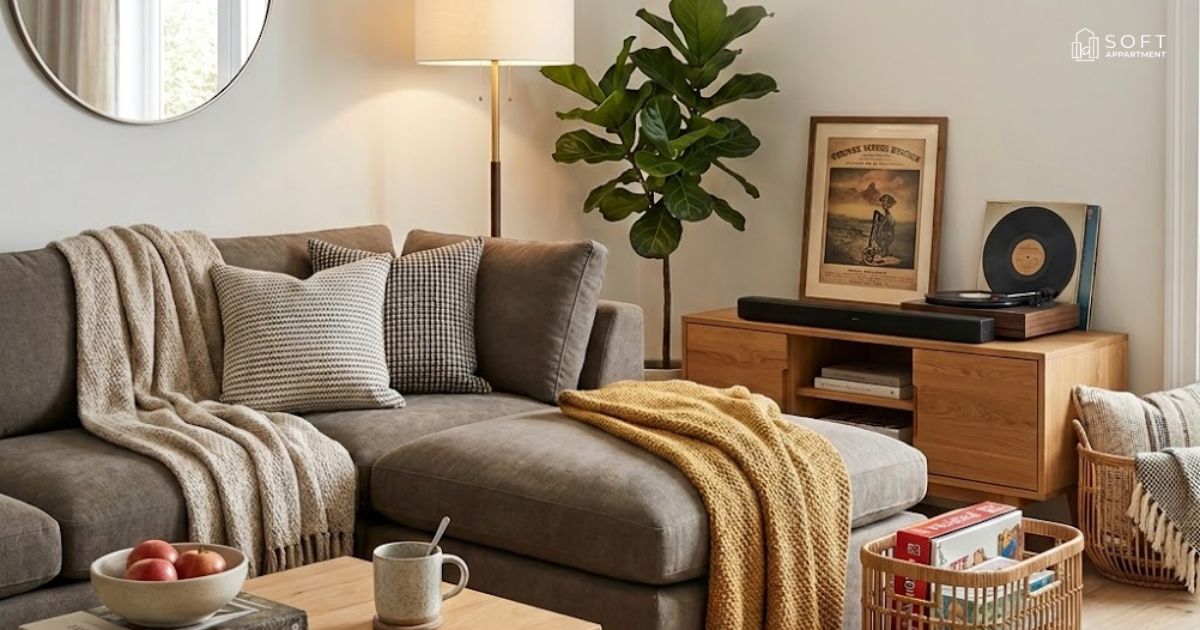
Your living room doesn’t need to look like a Pinterest photo on the first day.
Many people spend thousands of dollars furnishing this room before they’ve even lived in the apartment for a week. A smarter approach is to start with functional furniture and add decorative pieces later.
Begin with:
- Comfortable sofa or loveseat
- Coffee table (or even a temporary side table)
- Floor or table lamp
- TV stand if needed
- Small bookshelf or storage shelf
If you’re furnishing a studio or small apartment, choose furniture that serves more than one purpose.
For example:
- Storage ottoman that doubles as seating
- Sofa bed for overnight guests
- Nesting tables instead of one large coffee table
- Foldable dining table
- Storage bench near the entrance
These options maximize space while keeping your apartment organized.
Plants are another affordable way to make your apartment feel more welcoming. Even one or two low-maintenance indoor plants can improve the atmosphere without requiring a large budget.
Cleaning Supplies Most People Forget
One of the biggest moving-day mistakes is focusing only on furniture.
A beautiful apartment quickly becomes frustrating if you don’t have the supplies needed to keep it clean.
Before your first night, make sure you have:
Cleaning Essentials
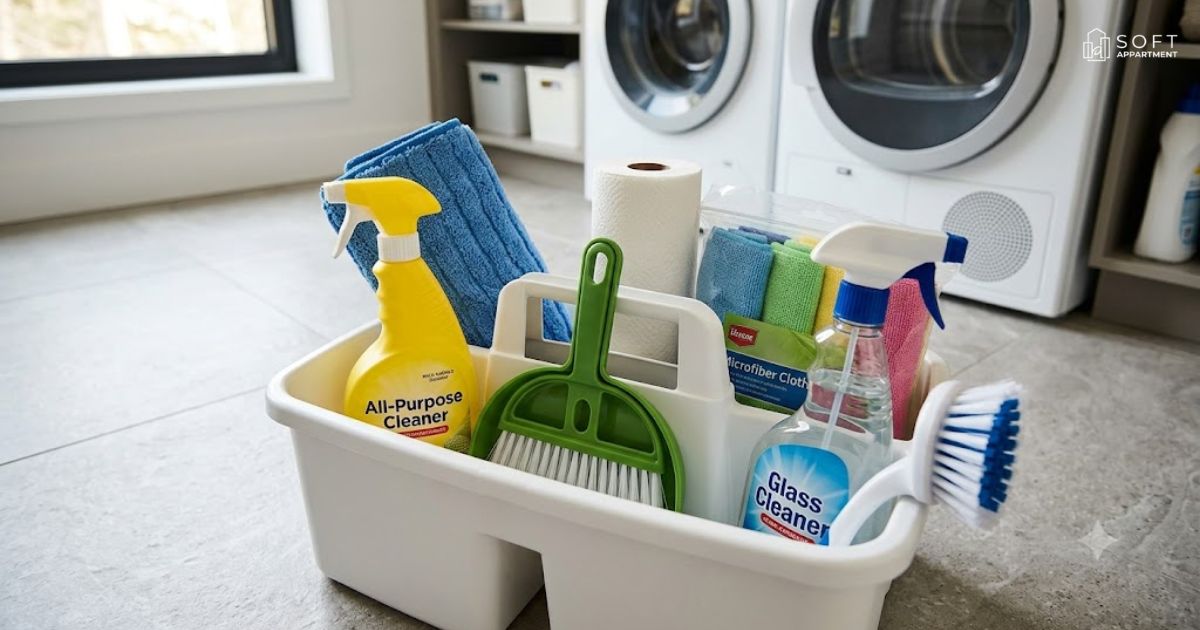
- Vacuum or broom
- Dustpan
- Mop
- Bucket
- All-purpose cleaner
- Glass cleaner
- Bathroom cleaner
- Dish soap
- Sponges
- Microfiber cloths
- Paper towels
- Trash bags
- Rubber gloves
If your apartment has hardwood or laminate flooring, check which cleaning products are safe before using strong chemicals.
Buying the wrong cleaner can permanently damage certain floor finishes.
Laundry Essentials
Laundry is another category that often gets ignored until the first load of dirty clothes starts piling up.
Whether your apartment has a washer and dryer or you use a shared laundry room, keep these basics ready:
- Laundry detergent
- Fabric softener (optional)
- Stain remover
- Laundry basket
- Drying rack
- Iron or garment steamer
- Ironing board (optional)
If you’re using a shared laundry facility, keep a small laundry bag for detergent, dryer sheets, and coins or payment cards. It saves multiple trips back and forth.
Home Maintenance Essentials Every Renter Should Own
Even if you’re renting, you’ll occasionally need to assemble furniture, tighten loose screws, or replace batteries.
A small toolkit can solve many everyday problems without calling maintenance.
Keep these items together in one box:
- Screwdriver set
- Hammer
- Measuring tape
- Flashlight
- Extra batteries
- Extension cords
- Power strip with surge protection
- Scissors
- Utility knife
- Tape
- Command hooks
Command hooks deserve special mention because they’re perfect for renters. You can hang keys, lightweight decorations, or kitchen tools without damaging the walls or losing part of your security deposit.
Apartment Essentials People Almost Always Forget
Most first apartment checklists cover the obvious purchases like furniture and cookware. However, the items below are usually the ones people end up buying during an emergency trip to the store after moving in.
Keep these on your shopping list before move-in day:
- Extension cords
- Power strips
- Phone chargers for different rooms
- Extra light bulbs
- Batteries (AA and AAA)
- Flashlight
- Trash bags
- Kitchen trash can
- Bathroom trash can
- Can opener
- Bottle opener
- Scissors
- Zip-top storage bags
- Aluminum foil
- Plastic wrap
- Paper towels
- Toilet plunger
- Fire extinguisher
- Smoke detector batteries (if needed)
- Command hooks
- Door mat
- Shoe rack
- Basic sewing kit
- Toolkit
- Emergency contact list
- Copies of important documents
These inexpensive items often make the biggest difference during your first few weeks.
Your First Grocery Shopping List
Avoid filling your refrigerator with food you’ll never eat.
Instead, begin with simple ingredients you regularly use.
Pantry Basics
- Rice
- Pasta
- Oats
- Flour
- Sugar
- Salt
- Black pepper
- Cooking oil
- Coffee or tea
- Peanut butter
- Cereal
Refrigerator
- Milk
- Eggs
- Butter
- Cheese
- Yogurt
- Fresh vegetables
- Fresh fruit
Freezer
- Frozen vegetables
- Frozen chicken
- Frozen fruit
- Ice
- Ready-to-cook meals
Buying groceries gradually helps reduce food waste while keeping your monthly grocery bill under control.
Common First Apartment Mistakes to Avoid
Many first-time renters waste money because they make avoidable mistakes.
Buying Everything Brand New
There’s nothing wrong with buying second-hand furniture in good condition.
Dining tables, bookshelves, TV stands, and dressers are often available for a fraction of the retail price through local marketplaces.
Ignoring Measurements
Always measure:
- Doorways
- Hallways
- Staircases
- Elevators
- Room dimensions
Many furniture returns happen simply because buyers never measured their apartment.
Spending Too Much on Decorations
Pinterest and Instagram can make you feel like every apartment needs expensive décor immediately.
It doesn’t.
Focus on comfort first.
Decorate slowly as your budget grows.
Forgetting Monthly Expenses
Rent is only one part of your housing costs.
Don’t forget to budget for:
- Electricity
- Water
- Internet
- Parking
- Renter’s insurance
- Laundry
- Household supplies
Planning for these recurring expenses helps prevent financial stress after moving in.
A Simple Move-In Day Checklist
Before leaving your old home, make sure you’ve completed these important tasks:
✔ Confirm utility services are active.
✔ Change your mailing address.
✔ Keep your lease documents accessible.
✔ Charge your phone and power bank.
✔ Pack one overnight bag with clothes and toiletries.
✔ Label every moving box.
✔ Photograph the apartment before unpacking.
✔ Test smoke detectors and door locks.
✔ Locate your circuit breaker and water shut-off valve.
✔ Introduce yourself to your neighbors if possible.
Completing these tasks on move-in day can save hours of frustration later.
Frequently Asked Questions
What should I buy first for my first apartment?
Start with the essentials you’ll use every day, including a mattress, bedding, towels, cookware, toiletries, cleaning supplies, and basic groceries. Decorative items and luxury furniture can wait until you’ve settled into your new space.
How much should I budget for furnishing my first apartment?
Most renters spend anywhere from $800 to $3,000+, depending on whether they buy second-hand or new furniture, the size of the apartment, and the quality of household items they choose.
Should I buy everything before moving in?
No. Purchase the necessities before move-in day, then live in your apartment for a few weeks before buying additional furniture. This helps you avoid unnecessary purchases and makes better use of your available space.
What do most people forget when moving into their first apartment?
Some of the most commonly forgotten items include extension cords, trash bags, batteries, a plunger, shower curtain, basic tools, extra light bulbs, food storage containers, and cleaning products.
Is renter’s insurance worth it?
For many renters, yes. It can help cover personal belongings in the event of theft, fire, or certain types of damage, and it’s often relatively affordable compared to replacing everything you own.
Final Thoughts
Moving into your first apartment is a major milestone, but creating a comfortable home doesn’t have to happen overnight. By focusing on practical essentials, setting a realistic budget, and buying items in stages, you can avoid unnecessary expenses while building a space that truly fits your lifestyle.
Remember that the best apartments aren’t the ones filled with the most furniture—they’re the ones designed around how you actually live. Prioritize quality over quantity, invest in the items you use every day, and don’t feel pressured to decorate everything immediately.
With thoughtful planning, smart shopping, and a well-organized checklist, you’ll be ready to enjoy your new apartment with confidence from day one.