






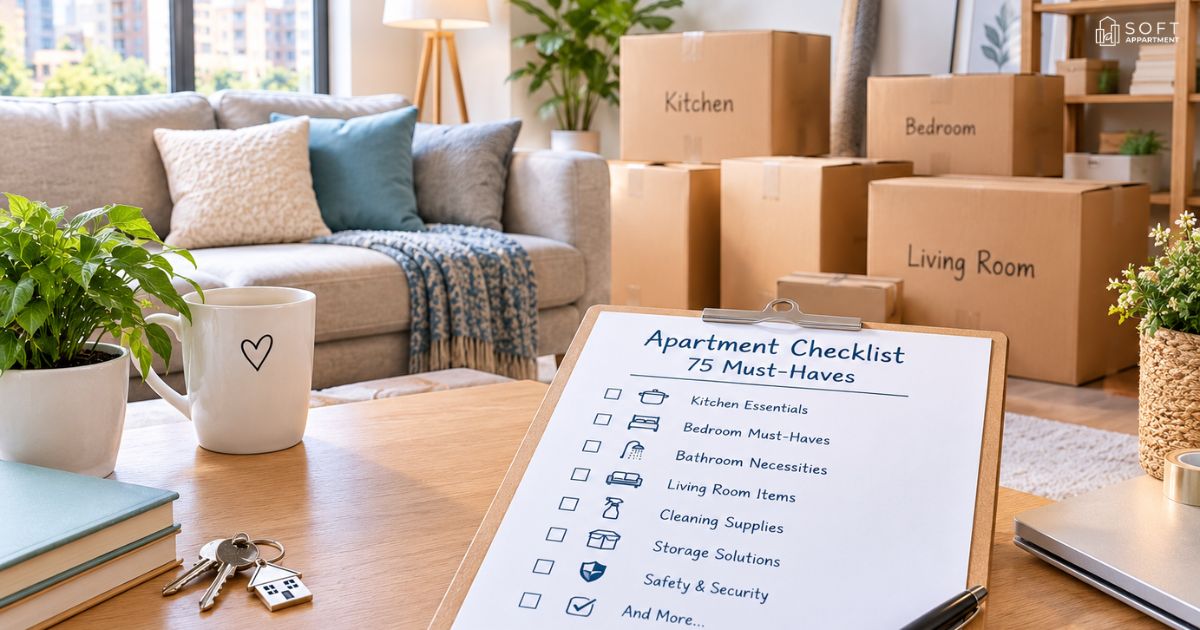
Moving into your first apartment is exciting, but figuring out what to buy can feel overwhelming. A well-planned first-time apartment checklist helps you stay organized, avoid forgotten essentials, and settle into your new home with less stress. From kitchen tools and comfortable bedding to bathroom supplies and cleaning products, every item plays a role in making your space functional.
Whether you’re moving out on your own or sharing a place with roommates, knowing what to purchase first can save time and money. This guide covers essential apartment must-haves, kitchen essentials, bedroom necessities, and moving supplies to help you prepare for a smooth and comfortable move.
Moving Into an Apartment for the First Time: What to Do Before Move-In
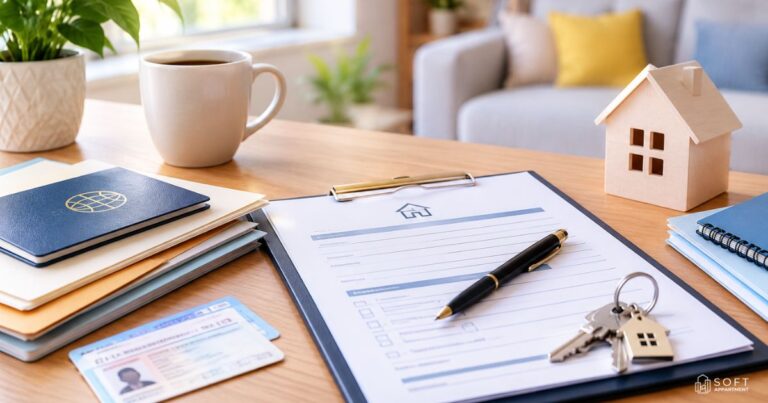
Paperwork comes before shopping. Every moving into an apartment for the first time checklist should start there. A signed lease agreement, power in your name, and a clear plan save you stress. Start about four weeks before your move-in date. The U.S. Department of Housing and Urban Development (HUD) also explains your basic renter rights.
Think of the next month as a countdown. Small tasks add up fast. This move-in checklist keeps you calm and on schedule. Use the table below to stay on track.
| When | What to Do |
|---|---|
| 4 weeks out | Read your lease. Start budget planning. |
| 3 weeks out | Book movers or a truck. Order renters insurance. |
| 2 weeks out | Schedule utilities setup. Start packing. |
| 1 week out | File your change of address. Confirm your move-in time. |
| 1 day out | Pack a first-night box. Charge your phone. |
Read Your Lease and Understand the Security Deposit
Read every page of your lease. Look for rules on pets, guests, and early exit fees. Your security deposit is usually one month’s rent. Most states require landlords to return it within 14 to 60 days after you leave. Ask questions before you sign.
Set Up Utilities, Internet and Renters Insurance
Call the power, gas, and water companies early. Some need a week or more. Do your utilities setup and book your internet install too. Many landlords now require renters insurance. It’s cheap, often $10 to $20 a month, and it covers your stuff.
Update Your Address and Book Your Move-In Date
Tell the post office where you’re going. You can file your change of address online at USPS.com. Then update your bank, employer, and DMV. Ask your landlord about elevator or parking reservations. This is a smart moving checklist step that many people forget.
Moving Day Checklist for Your First Apartment
Moving day goes smoother with a plan. Start by walking the empty unit. Next, bring in big furniture while the floors are clear. Boxes come last. This moving into an apartment for the first time checklist works best when you follow the same order every time.
Keep your valuables with you. That means your ID, keys, laptop, medicine, and important papers. Don’t put them on the truck. Here’s a tip. Label every box by room so helpers know where to go. It saves hours.
Pack a First-Night Box (10 Must-Haves)
Your first night shouldn’t feel like camping. Pack items 1 to 10 of your apartment starter kit in one clear bin. Include a phone charger, toilet paper, shower curtain, towels, bedding and mattress cover, trash bags, cleaning wipes, scissors, snacks, and a spare light bulb.
Do a Move-In Inspection and Take Photos
Do your move-in inspection before you unpack. Photograph walls, floors, appliances, outlets, and windows. Note every scratch and stain. Then email the photos to your landlord and keep a copy. This simple step can protect your security deposit when you move out.
Locate Your Breaker Box and Water Shutoff
Most checklists skip this step. Find your breaker box and learn which switch controls which room. Then find the main water shutoff. A leak or power loss is stressful. Knowing where to look makes it much easier. Take a photo of both spots.
Bedroom Essentials for Your First Apartment
Sleep comes first. Buy your bed before anything else. A tired person can’t unpack well. A good night’s rest makes everything else easier. Put first apartment essentials for the bedroom at the top of your apartment shopping list. For storage and styling ideas, browse our bedroom and closet styling guides.
Small comforts also matter. Soft lighting and thick curtains turn a bare room into a home. You don’t need fancy items. You need things that help you sleep and relax. Here are the common U.S. mattress sizes to help you choose.
| Size | Dimensions | Best For |
|---|---|---|
| Twin | 38 x 75 in | Small rooms |
| Full | 54 x 75 in | One person, extra space |
| Queen | 60 x 80 in | Most adults |
Bed, Mattress and Bedding
Items 1 to 6 cover your sleep setup. You need a bed frame, a mattress, a mattress protector, sheets, pillows, and a comforter. Good bedding and mattress choices last for years. Buy two sheet sets so you always have a clean one ready.
Storage, Lighting and Curtains
Items 7 to 9 are hangers, blackout curtains, and a bedside lamp. Hangers keep clothes neat. Blackout curtains block street light and help you sleep. A lamp gives you a soft glow at night. These are low-cost budget apartment essentials with a big payoff.
Kitchen Essentials Checklist: Cookware, Dishes and Appliances
You don’t need a full set of everything on day one. Start small. A short kitchen essentials list keeps your budget safe. Buy what you’ll use this week. Add the rest later as you learn how you cook. Our full guide to first apartment kitchen essentials goes deeper.
Pick cookware that does double duty. A deep skillet can fry, sauté, and simmer. A baking sheet works for dinner and cookies. This section covers items 10 to 25 of your things to buy for a new apartment list.
Pots, Pans and Cooking Utensils
Items 10 to 18 are a skillet, saucepan, stockpot, baking sheet, chef’s knife, cutting board, spatula, wooden spoon, and can opener. These nine tools handle most meals. Good cookware and dinnerware doesn’t need to be pricey. Basic sets from big-box stores work well.
Dishes, Glasses and Food Storage
Items 19 to 24 are plates, bowls, cups, flatware, storage containers, and a dish rack. Buy four of each if you live alone. Buy more if you host friends. These household items also help you save money. Leftovers in a container beat takeout.
Small Appliances Worth Buying
Item 25 is a microwave, which most people use daily. A coffee maker and toaster come next. Skip the air fryer, blender, and rice cooker at first. The table below shows what to buy now and what can wait.
| Buy Now | Buy Later |
|---|---|
| Microwave | Air fryer |
| Coffee maker | Blender |
| Toaster | Slow cooker |
Bathroom Essentials Checklist
A ready bathroom feels like a hotel. Start with towels, a shower curtain, and a bath mat. Most apartments come with none of these. Without them you can’t even shower. Add them to your new apartment checklist early.
Storage is the next challenge. Many bathrooms are tiny. Renters can’t drill holes. Use over-the-door hooks and tension rods instead. They hold towels and bottles without damaging the walls. You’ll get your deposit back with no stress.
Towels, Shower Curtain and Bath Mat
Items 26 to 30 are bath towels, hand towels, washcloths, a shower curtain with liner and rings, and a bath mat. Buy two bath towels per person. That way one is always clean. Pick a liner that resists mold. It keeps the bathroom fresh longer.
Toiletries and Toilet Accessories
Items 31 to 34 are toilet paper, a plunger, a toilet brush, and a small trash can. Add a soap dispenser as well. Stock up on toilet paper before move-in day. Nobody wants a late-night store run. These small household items matter more than you think.
Living Room Furniture and Décor Must-Haves
Furnish for how you actually live. Do you watch movies? Work from home? Host friends? Your answers guide your choices. Use a simple apartment furniture checklist so you buy only what fits. Furnishing an apartment takes time. Don’t rush it. For more ideas, read our living room essentials guide.
Mix budget finds with one or two key pieces. A good sofa lasts for years. A cheap side table is fine for now. Measure your space first. A common first-apartment living room is about 10 by 12 feet. Leave at least 30 inches for walking paths.
Sofa, Coffee Table and TV Stand
Items 35 to 39 are a sofa, coffee table, TV stand, area rug, and floor lamp. A loveseat fits small rooms better than a full sofa. A rug adds warmth and cuts noise for neighbors below. Floor lamps give light without wiring.
Home Office and Gadget Setup
Items 40 to 43 are a desk, chair, surge-protected power strip, and a good Wi-Fi router spot. Place your router in the middle of the home for the best signal. A chair with back support protects your spine. Remote work is common now. Plan for it.
Cleaning Supplies and Laundry Essentials
Clean before you unpack. It’s much easier in an empty room. Wipe shelves, drawers, and the inside of the fridge. Photograph the results. This ties back to your move-in inspection and shows you left no mess. A basic kit costs about $40 to $60. See our list of cleaning essentials for more.
Build your kit slowly. Start with a few multi-use items. One all-purpose cleaner can handle counters, sinks, and floors. Add specialty products later. This keeps your budget planning on track. Remember that a clean home also feels safer and calmer.
Basic Cleaning Tools
Items 44 to 50 are all-purpose cleaner, disinfecting wipes, sponges, a broom and dustpan, a mop, a vacuum, and trash bags. A small vacuum works fine for most units. Hard floors need a mop. Carpet needs a vacuum. Check which you have first.
Laundry Basics
Items 51 to 53 are a laundry basket, detergent, and a drying rack. Many U.S. buildings only have shared machines. Keep quarters or a laundry card ready. Many buildings now use apps to show open machines. Ask your leasing office. A drying rack saves money too.
Home Toolkit, Safety and First-Aid Essentials
Small tools prevent big headaches. A loose cabinet or a wobbly shelf takes two minutes to fix. Without tools it becomes a week of annoyance. A simple toolkit is one of the best apartment must-haves. It also saves you the cost of calling maintenance for tiny jobs.
Safety gear gets forgotten often. First-timers rarely think about fire or injuries. But these items matter most. Check your smoke alarms on day one. Learn more about fire safety from the American Red Cross. Safety is never a bad place to spend.
Basic Home Toolkit
Items 54 to 59 are a screwdriver set, hammer, tape measure, pliers, flashlight, and duct tape. Buy a small kit in a case. It keeps everything in one place. A tape measure helps you check furniture before you buy. It will save you from costly mistakes.
Smoke Detector, Fire Safety and Security
Items 60 to 63 are a working smoke detector and CO detector, a fire extinguisher, and a door stopper alarm. Test each alarm on move-in day. The National Fire Protection Association shares smoke alarm placement and testing tips. Ask your landlord before changing locks. Many leases ban it. Most will handle a rekey on request.
First-Aid Kit Essentials
Items 64 and 65 are a stocked first-aid kit and an emergency contact list. Fill the kit with bandages, pain reliever, a thermometer, antiseptic, and tweezers. Tape your contacts inside a cabinet door. In an emergency your brain may freeze. A written list helps.
First Apartment Shopping Tips: Budget Smart and Save More
Spend on sleep and safety. Save on décor. That’s the best rule for any moving into an apartment for the first time checklist. A good mattress and working alarms protect your health. Wall art and fancy pillows can wait. They don’t affect your daily life.
Shop in phases. Buying everything at once drains your bank account. It also leads to regret. Live in the space first. You’ll learn what you really need. Here’s a sample plan for three budgets.
| Level | Budget | What It Covers |
|---|---|---|
| Starter | $1,500 | Bed, basics, budget apartment essentials |
| Mid-range | $3,000 | Add sofa, desk, quality kitchen items |
| Comfortable | $5,000 | Add décor, extra furniture, small appliances |
Set Your First Apartment Budget
Start with your monthly income. Then subtract rent, food, and bills. What’s left is your setup money. Real budget planning stops you from using credit cards for everything. Consider this example. Maya, a new nurse in Ohio, set $2,000 aside and finished with $300 to spare.
Buy Essentials First, Extras Later
Try a 30-60-90 day plan. In the first 30 days, buy sleep gear, kitchen basics, and safety items. In days 31 to 60, add furniture. In days 61 to 90, buy décor. This what to buy for first apartment plan spreads out your costs. It also keeps your stress low.
Coordinate With Roommates
Talk to your roommates before you shop. You don’t need two microwaves. Decide who buys shared items like cleaning supplies and a TV. Then split costs fairly with an app like Splitwise or Venmo. Write the plan down. Clear talk prevents later fights.
Where to Find Cheap Furniture and Household Items
Check Facebook Marketplace, IKEA, Target, Walmart, and Goodwill. The Habitat for Humanity ReStore sells great used furniture. Buy Nothing groups give things away for free. Always inspect used beds for bugs. Mattresses are best bought new. Everything else is often fair game second-hand.
10 Bonus Must-Haves People Forget
Items 66 to 75 are command hooks, an extension cord, trash cans, light bulbs, a doormat, a shower caddy, a step stool, wall-safe picture hangers, extra hangers, and a fan. They’re small but useful. Add them to your apartment shopping list now. You’ll thank yourself in the first week.
Final Thoughts
You don’t need all 75 items on day one. Start with sleep, safety, and food. Then build from there. This moving into an apartment for the first time checklist is a guide and not a test. Take your time. Every home starts with a bed and a plan.
Moving into a new apartment is exciting. It can feel like a lot. But small steps make it easy. Keep this first time renter checklist close. Download the free PDF and check off each item as you go. Your first place is waiting.
First Apartment Checklist FAQs
What do I need when moving into my first apartment?
You need a bed, bedding, towels, basic cookware, dishes, cleaning supplies, toilet paper, a shower curtain, a toolkit, and safety items. Start with this moving into an apartment for the first time checklist. Add extras once you know your space.
How much does it cost to furnish a first apartment?
Most people spend between $1,500 and $5,000. A starter setup with second-hand furniture costs less. A comfortable setup with new pieces costs more. Your budget planning and shopping choices decide the final number.
What should I buy first for a new apartment?
Buy your bed and bedding first. Next, grab toilet paper, towels, and a shower curtain. Then get basic kitchen items. This order covers sleep, hygiene, and food. Everything else can wait a few weeks.
What should I do on my first day in a new apartment?
Do your inspection and take photos. Test your alarms. Find your breaker box and water shutoff. Then clean surfaces and make your bed. Keep your first-night box close. Finally, rest. Tomorrow you can unpack.
How can I save money when moving into an apartment for the first time?
Shop second-hand for furniture. Use Buy Nothing groups for free items. Split costs with roommates. Buy in phases instead of all at once. Spend more on your mattress and safety gear. Cut spending on décor.