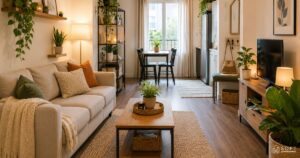










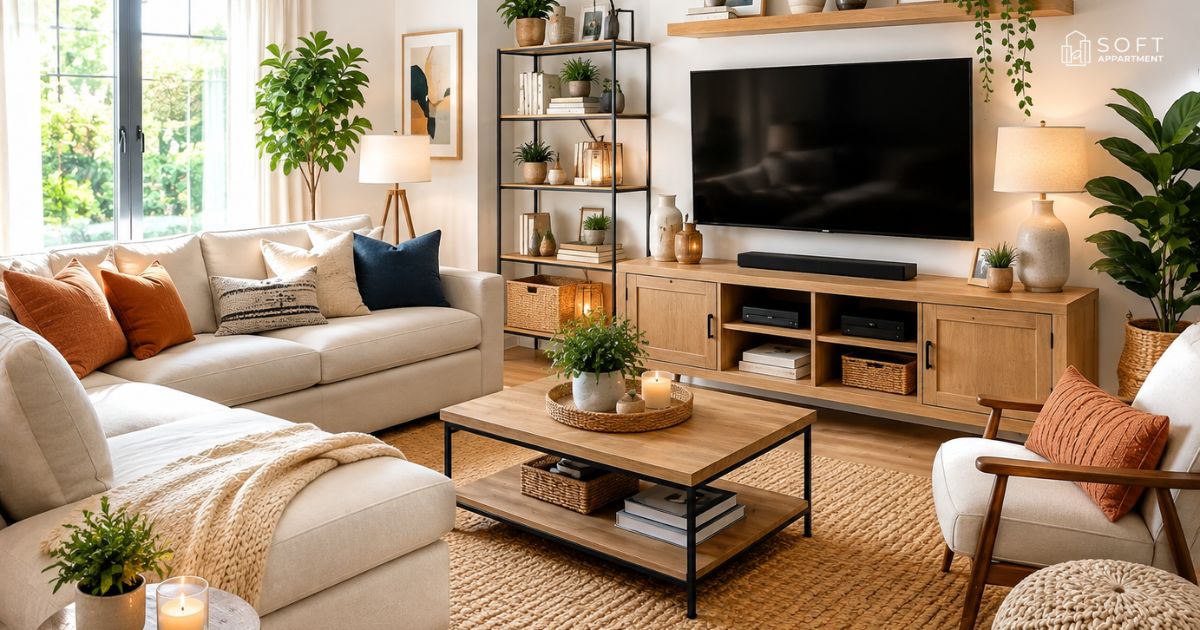
A comfortable living room starts with the right balance of function, comfort, and style. Choosing the right living room furniture can make everyday activities easier while giving your space a welcoming feel. From a comfortable sofa to practical tables, lighting, storage, and decor, each piece has a clear purpose. The best living room essentials should match your room size, lifestyle, and budget without creating unnecessary clutter.
Whether you’re furnishing a new apartment or refreshing an existing space, a thoughtful living room essentials checklist can save time and money. Simple choices such as warm living room lighting, soft textiles, and useful living room storage can transform an ordinary room into a cozy and inviting place.
Living Room Essentials Checklist: What You Need First
The best living room essentials begin with function. Your seating should support everyday use, while tables should keep drinks, books, and devices nearby. Good lighting should reduce harsh shadows. Storage should control clutter. Together, these essential living room items create a room that works before decoration takes center stage.
Room measurements also matter. A large sectional can overwhelm a small apartment. Likewise, tiny furniture can look lost inside a spacious family room. Before shopping, measure walls, doorways, windows, and walking paths. Leave enough clearance around furniture. Good proportions make living room furniture essentials feel intentional rather than crowded.
16 Must-Have Living Room Items at a Glance
| Category | Essential Items |
| Seating | Sofa or couch, accent chairs, ottomans and benches |
| Tables | Coffee table, end tables, console table |
| Entertainment | Television, TV console |
| Lighting | Floor lamp, table lamps |
| Textiles | Area rug, curtains or drapes, throw pillows |
| Storage | Bookshelves or wall shelves |
| Decor | Wall art, indoor plants |
Essential Seating for Comfort and Everyday Living
Comfort starts with living room seating because most daily activities happen around it. A quality sofa provides the main resting area for reading, watching television, talking, or relaxing. Add accent chairs when you need flexible seating. Choose pieces according to room size, household needs, fabric durability, and personal comfort.
For smaller rooms, multifunctional seating can save valuable floor space. Ottomans and benches can provide extra seats without making the room feel heavy. Some models also hide blankets, toys, or games inside. Families with pets or children should consider durable fabrics and easy-clean surfaces when choosing seating.
1. Sofa or Couch
The sofa or couch usually becomes the room’s visual anchor. Look beyond appearance when shopping. Check seat depth, cushion firmness, frame quality, and fabric performance. A durable sofa can serve your household for years. Sectionals work well in larger rooms, while loveseats suit compact spaces.
2. Accent Chairs
Accent chairs add seating without requiring another large sofa. Place one beside a window, near a reading lamp, or opposite the main sofa. Matching isn’t necessary. A chair with a different texture or subtle color can create contrast while keeping the overall room balanced.
3. Ottomans and Benches
Ottomans and benches are useful because they can perform several jobs. An ottoman can support your feet, provide occasional seating, or hold a tray. A bench works well beneath a window or along a wall. Storage versions are especially practical for apartments with limited closet space.
Essential Living Room Tables and Surfaces
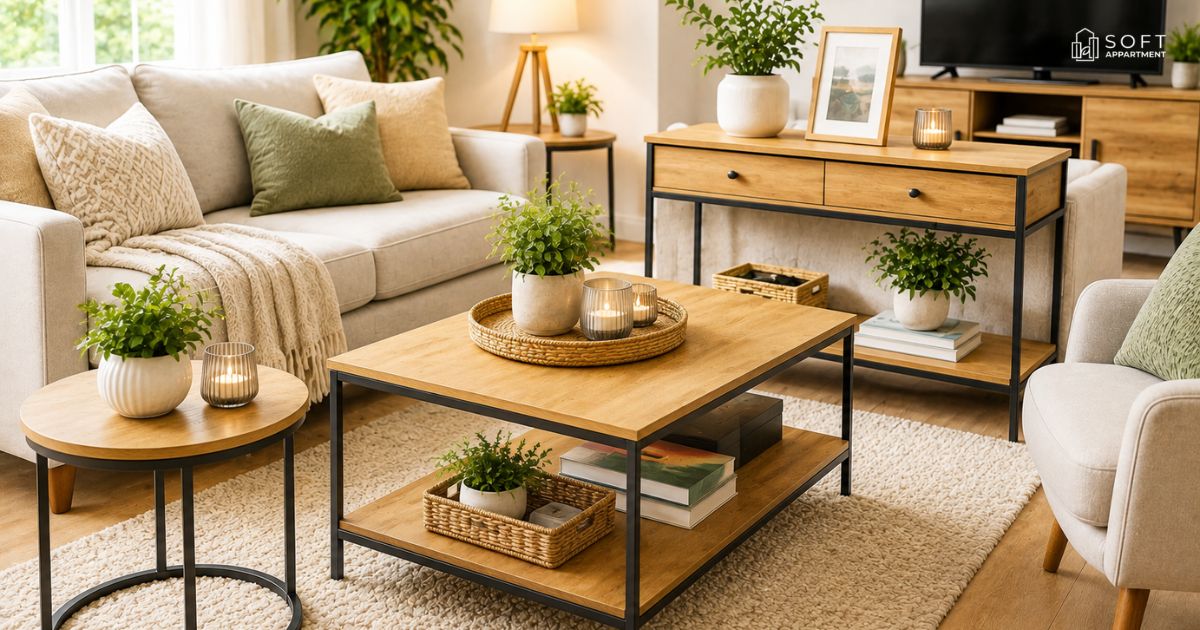
Well-chosen living room tables make everyday activities more convenient. You need somewhere to place drinks, books, remotes, lamps, and decorative objects. However, every table should suit the room’s proportions. Too many surfaces can restrict movement. Too few can make the space feel impractical.
Think about walking paths before choosing table sizes. A coffee table should remain easy to reach without blocking movement. Side surfaces should sit close enough to seating for convenience. Console tables can add storage or display space without consuming much floor area.
4. Coffee Table
A coffee table connects the seating arrangement and provides a practical central surface. Rectangular designs suit traditional sofas, while round tables soften rooms with many straight lines. Keep enough space between the table and seating. This makes movement easier and reduces accidental bumps.
5. End or Side Tables
End tables keep everyday objects within easy reach. They work beside sofas and chairs and can hold lamps, drinks, books, or phones. Choose a height that feels natural beside the seating. Nesting tables are useful when you need extra surfaces only occasionally.
6. Console Table
A console table can fill an otherwise awkward wall or space behind a sofa. It provides a surface for lamps, photographs, and small storage baskets. Narrow designs work particularly well in apartments. Choose one with drawers or shelves when additional living room storage would be useful.
Living Room Media and Entertainment Essentials
Entertainment equipment often becomes a major part of modern living rooms. A television can provide movies, sports, gaming, and streaming. Yet technology shouldn’t dominate the entire space. Thoughtful placement keeps the room comfortable while maintaining a clean appearance. Good cable management also prevents visual clutter.
The TV console plays an important supporting role. It can hold equipment while hiding wires and accessories. Choose a unit wider than the television when possible. Make sure vents remain clear around electronics. This simple detail can improve both appearance and equipment safety.
7. Television
Choose television size according to viewing distance and room proportions. A screen that feels impressive in a store may look overwhelming at home. Consider wall position, sunlight, seating direction, and viewing height. Avoid placing the screen where strong window glare makes viewing uncomfortable.
8. TV Console
A TV console provides support, storage, and visual balance. Look for cabinets or drawers when you have gaming devices, remotes, cables, and other equipment. Open shelves can improve ventilation. Closed storage creates a cleaner appearance. The best choice depends on how much equipment your household uses.
Lighting Essentials for a Warm and Cozy Living Room
Good living room lighting does more than brighten a room. It shapes mood, supports reading, and highlights important features. Relying on one ceiling fixture can create flat or harsh illumination. Instead, combine several light sources at different heights for a softer and more adaptable atmosphere.
Warm lighting generally works well in relaxing spaces. Place a floor lamp beside seating when you need focused light. Use table lamps on side tables or consoles for smaller pools of illumination. Dimmers can provide another layer of control when you want bright light during the day and softer light at night.
9. Floor Lamp
A floor lamp can brighten dark corners without requiring another table. Arc lamps work well over seating areas. Adjustable lamps suit reading spaces. Choose a shade that directs light comfortably. The lamp should complement nearby furniture without becoming an obstacle in major walking paths.
10. Table Lamps
Table lamps add warmth while creating useful task lighting. Place them beside sofas, chairs, or on a console. Consider the lamp’s height and shade size together. A properly proportioned lamp looks balanced. Warm bulbs can also create a calmer atmosphere during evening hours.
Rugs, Curtains, and Textiles for Comfort and Style
Textiles give a room softness and visual warmth. They also help connect separate furniture pieces into one composition. Living room rugs can define a seating zone, while window treatments control sunlight and privacy. Cushions and blankets introduce color without requiring expensive furniture changes.
When choosing textiles, think about everyday use. Homes with children or pets may benefit from washable or durable materials. Neutral furniture can handle bolder textiles. Patterned furniture often works better with simpler fabrics. The goal is balance rather than filling every surface with decoration.
11. Area Rug
An area rug can anchor the entire seating arrangement. Ideally, at least the front legs of major seating should sit on the rug. Larger rooms may need a bigger rug to unite the furniture. Low-pile designs are practical in busy spaces because they are easier to clean.
12. Curtains or Drapes
Curtains or drapes affect privacy, sunlight, temperature, and visual height. Hang them higher and wider than the window when appropriate to create a more spacious appearance. Light fabrics can soften bright rooms. Blackout options work well when you need stronger light control.
13. Throw Pillows and Blankets
Throw pillows provide an easy way to refresh your room. Combine different textures while keeping a consistent color story. A soft blanket can add another layer of comfort. These small changes can make a basic sofa feel more inviting without replacing major furniture.
Living Room Storage Essentials for a Clutter-Free Space
Good living room organization keeps everyday clutter from taking over. Remote controls, books, toys, chargers, blankets, and games can quickly accumulate. Smart storage gives each item a home. This makes cleaning easier and helps the room remain calm even during busy family routines.
Vertical storage can be especially valuable in smaller homes. Bookshelves use wall height instead of consuming excessive floor space. Floating shelves can display books and photographs. Baskets can hide smaller objects. Storage furniture should support the room’s function without making the space feel like a warehouse.
14. Bookshelves or Wall Shelves
Bookshelves combine storage with personality. Use them for books, framed photographs, plants, and meaningful objects. Avoid filling every inch. Leaving some open space creates visual breathing room. Floating shelves can work particularly well when floor space is limited.
Decor and Accessories That Make a Living Room Feel Like Home
Furniture creates the framework, but living room decor gives the space character. Personal objects can make a room feel connected to the people who live there. However, decoration works best when it has some restraint. Too many objects can create visual noise and make cleaning harder.
Choose pieces that complement the room’s existing colors and textures. Living room accessories can include mirrors, trays, vases, candles, photographs, and books. Natural elements can soften modern furniture. A few thoughtful objects often create more impact than a crowded collection of unrelated pieces.
15. Artwork and Wall Decor
Wall art can establish a strong focal point above a sofa, console, or empty wall. Consider scale before hanging anything. Small artwork can disappear above large furniture. Larger pieces often create stronger visual impact. Gallery arrangements offer flexibility when you want to display several smaller works.
16. Indoor Plants
Indoor plants introduce natural texture and a sense of freshness. Choose varieties according to the light available in your room. Low-maintenance plants can suit beginners. Place them on shelves, tables, or floor stands. Attractive planters can also become part of the room’s decorative scheme.
Candles and Decorative Accessories
Decorative accessories add the finishing layer to a room. Candles, trays, vases, books, mirrors, and small sculptures can create visual interest. Choose pieces with meaning or practical value. A restrained collection feels more polished. The best accessories support the room rather than compete with it.
How to Prioritize Your Living Room Essentials on a Budget
Creating a stylish living room doesn’t require buying everything immediately. Start with pieces that affect daily comfort and function. A reliable sofa usually deserves priority. Then consider lighting, a rug, useful tables, and storage. Decorative upgrades can come later as your needs and budget allow.
Buying gradually can also prevent expensive mistakes. Measure every item before purchasing it. Compare materials, warranties, construction, and maintenance needs. Secondhand furniture can provide excellent value when inspected carefully. Spend more on heavily used pieces when durability matters. Save money on accessories that are easy to replace.
What to Buy First
| Priority | Item | Main Reason |
| High | Sofa or couch | Main seating |
| High | Lighting | Comfort and visibility |
| High | Coffee table | Everyday convenience |
| High | Area rug | Defines the seating zone |
| Medium | TV console | Storage and media organization |
| Medium | Accent chairs | Additional seating |
| Medium | Bookshelves | Organization and display |
| Later | Wall art | Personal style |
| Later | Indoor plants | Decorative freshness |
Essential vs. Nice-to-Have Items
The most useful living room must-haves depend on your lifestyle. A family may prioritize durable seating and hidden storage. A reader may value strong task lighting and bookshelves. Someone living alone may prefer a smaller sofa and multifunctional furniture. Your room should serve your routine rather than follow a rigid decorating formula.
Build Your Living Room One Layer at a Time
A successful room develops gradually. Begin with the largest functional pieces, then add surfaces and lighting. Next, introduce textiles and storage. Finally, add personal decoration. This approach keeps spending manageable and makes design decisions easier. The result feels collected rather than rushed.
Final Living Room Essentials Checklist
The best living room combines comfort, function, organization, and personality. The 16 items covered here provide a practical foundation for most American homes. Your exact choices can change according to room size, lifestyle, household needs, and budget. What matters most is creating a space that feels natural to use.
A thoughtfully planned room doesn’t need excessive furniture or expensive decoration. Choose durable living room furniture, layer comfortable lighting, control clutter, and add personal touches gradually. With the right balance, even a modest room can become welcoming, functional, and genuinely enjoyable every day.
Frequently Asked Questions About Living Room Essentials
1. What are the most important living room essentials?
The main essentials include a sofa or couch, coffee table, lighting, area rug, storage, and comfortable seating. Add decor based on your space and lifestyle.
2. What furniture should every living room have?
Most living rooms need a sofa, coffee table, side tables, and additional seating. A TV console or storage unit can also improve functionality.
3. How can I make my living room cozy and stylish?
Use comfortable seating, warm living room lighting, soft textiles, and a properly sized rug. Add artwork, plants, and personal accessories for character.
4. What should I buy first when furnishing a living room?
Start with the sofa and essential tables, then add lighting, an area rug, and storage. Decorative pieces can come later.
5. What are good living room essentials for a small apartment?
Choose multifunctional furniture such as storage ottomans, compact sofas, nesting tables, and wall shelves. These save space while keeping the room organized.