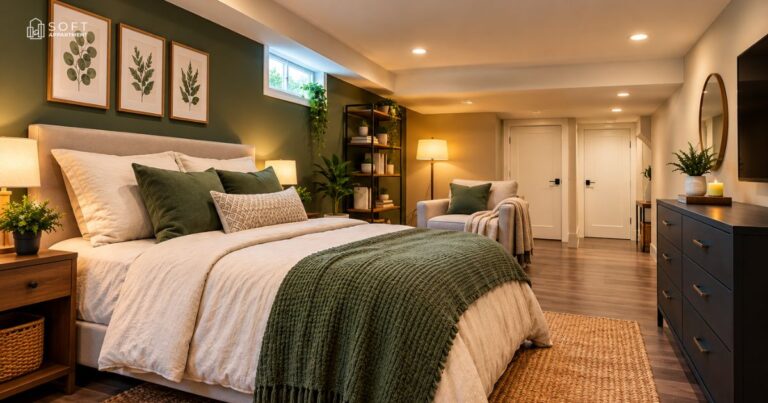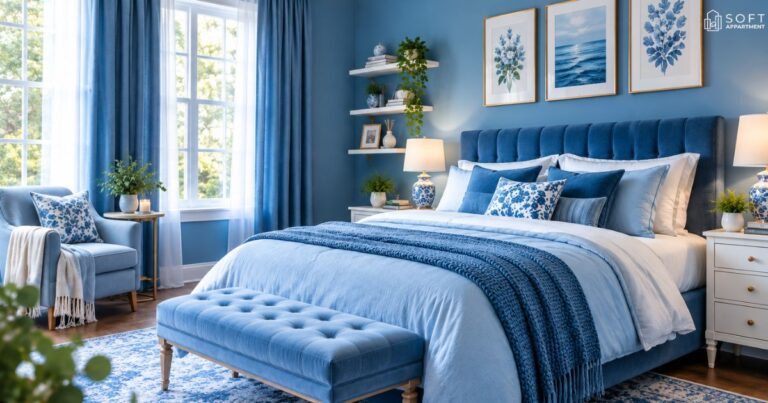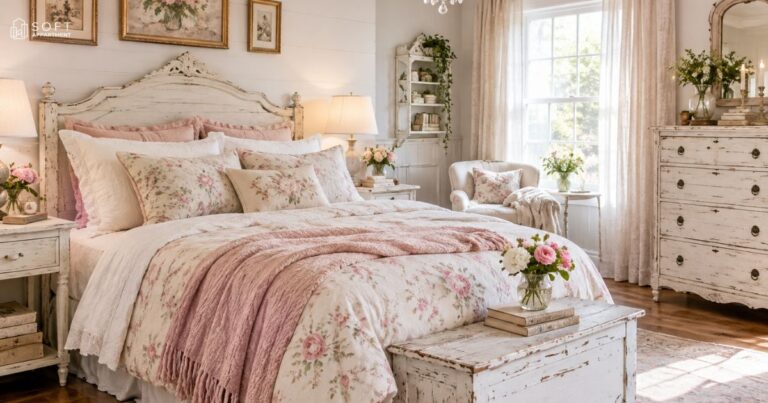










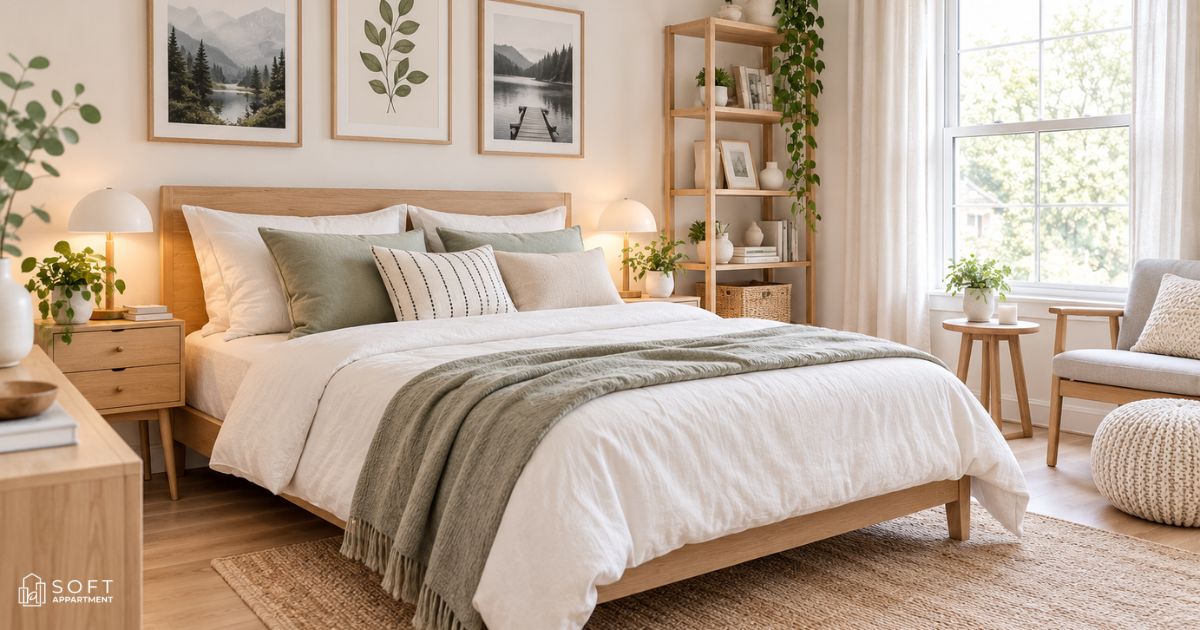
Scandinavian design keeps winning over homeowners, and it’s easy to see why. It’s calm. It’s functional. It never goes out of style. This guide walks you through 11 Scandinavian bedroom ideas for a serene retreat, covering everything from color to lighting to texture. Whether you’re starting fresh or updating one corner of the room, these tips will help you build a space that feels peaceful and put-together.
This style isn’t about following strict rules. It’s about creating a room that breathes. If you’re also furnishing a new space, our first apartment essentials guide covers more room-by-room basics worth knowing. Now, let’s get into what makes a Scandinavian bedroom actually work.
What Is Scandinavian Bedroom Style? (A Quick Overview)
Scandinavian bedroom style comes from Nordic countries like Denmark, Sweden, and Norway. It blends simplicity, function, and warmth into one cohesive look. The style grew popular in the mid-20th century, when designers wanted furniture that worked hard but looked effortless. That mix of form and function still defines it today.
At its core, this Nordic bedroom design leans on the Danish concept of hygge, or cozy contentment. A true Scandinavian room never feels cold or sterile. Instead, it feels calm, lived-in, and quietly inviting. That balance between minimalism and comfort is exactly why Scandinavian bedroom ideas work so well in American homes today.
Origins of Scandinavian Design (Nordic Roots)
Scandinavian design took shape after World War II, when Nordic countries focused on affordable, well-made furniture for everyday homes.
Core Principles: Simplicity, Function, and Hygge
Every piece needs a purpose here. Nothing sits in the room just to look nice. Comfort and usefulness always come first.
Why Scandinavian Bedroom Ideas Suit Modern American Homes
Busy households love this style because it cuts clutter. A calmer room means a calmer mind, especially after a long day.
Start with a Light, Neutral Color Palette
Color sets the foundation for the whole room. A neutral color palette built around white, soft gray, and beige instantly feels Scandinavian. These tones bounce light around the space, which matters a lot during darker months. White walls aren’t boring here. They’re a blank canvas that lets texture and wood tones shine.
This bedroom color scheme doesn’t have to feel flat, though. Adding sepia or warm beige undertones keeps the room from feeling too clinical. Small rooms especially benefit from this approach, since light colors make tight spaces feel larger and airier. Think of your walls as the quiet backdrop that lets everything else do the talking.
| Color Choice | Effect on the Room | Best For |
| Soft White | Brightens, opens up space | Small bedrooms |
| Warm Gray | Adds depth without darkness | Modern Scandinavian style |
| Beige/Sepia | Feels cozy, grounded | Larger rooms |
| Pale Blue | Calming, cool undertone | Reading nooks |
White and Off-White as a Base
Off-white feels softer than stark white. It still reflects light but adds a touch of warmth to the walls.
Soft Gray and Sepia Tones for Depth
Gray works especially well layered with wood furniture. It keeps the room grounded without feeling heavy.
Why Neutral Colors Make Small Rooms Feel Bigger
Light colors reflect more natural light. That reflection tricks the eye into seeing more space than there actually is.
Choose Light Wood and Natural Materials
Light wood furniture is a defining feature of this style. Think pale oak, ash, or pine, rather than dark mahogany or walnut. These lighter woods keep the room feeling airy instead of heavy. They also pair beautifully with the neutral walls mentioned earlier, creating that classic Scandi contrast.
Natural materials don’t stop at furniture, though. Wool throws, linen curtains, and rattan baskets all belong in this look. Combining a few different textures, wood, wool, and woven fiber, adds warmth without adding clutter. This layering is part of what separates a true Nordic interior design from a plain, empty room.
Light Oak and Pine Furniture
These woods age well and develop a subtle patina over time, which only adds character to the piece.
Natural Materials Like Wool, Linen, and Rattan
Mixing textures keeps a neutral room from feeling one-dimensional. Each material adds its own quiet personality.
Balancing Wood Tones with Neutral Walls
Keep wood tones consistent across furniture pieces. Mismatched wood shades can make a room feel disjointed rather than curated.
Pick Minimalist Scandinavian Bedroom Furniture
When it comes to bedroom furniture ideas, less really is more here. A simple bed frame without an ornate headboard sets the tone immediately. Modern bedroom furniture in this style skips heavy carvings and gold trim in favor of clean, straight lines and honest materials.
Functional pieces matter more than decorative ones. A wooden nightstand with one drawer beats an oversized dresser crammed with detail. This minimalist bedroom design approach isn’t about having less for the sake of it. It’s about choosing pieces that earn their spot in the room through daily use.
Simple Bed Frames Without Ornate Details
Look for frames with slim legs and flat headboards. These fit almost any room size without overwhelming it.
Functional Dressers and Nightstands
Storage should stay simple and accessible. Open shelving or slim drawers work better than bulky, oversized pieces.
Furniture with Clean Lines and Purpose
Every item should answer one question: does this actually get used? If not, it probably doesn’t belong.
Get the Lighting Right (Pendants, Lamps & Natural Light)
Scandinavian lighting plays a bigger role than most people expect. Nordic countries deal with long, dark winters, so lighting design became essential rather than decorative. According to this Scandinavian bedroom design guide, layering multiple light sources creates a softer, more balanced glow than one overhead fixture alone.
Pendant lighting works beautifully over a nightstand or reading corner. Pair it with a warm-toned table lamp for evenings, and keep window treatments sheer during the day. These bedroom lighting ideas aren’t just about looks. They directly affect how calm and restful the room actually feels.
Pendant Lights for a Soft Glow
Hang pendants at eye level near the bed. This creates focused light without harsh overhead glare.
Table Lamps for Layered Lighting
A warm bulb on a nightstand adds coziness in the evening, especially paired with dimmer switches.
Maximizing Natural Daylight
Sheer curtains let daylight filter through gently. Save heavier drapes for blocking light only when you’re sleeping in.
Dress the Bed the Scandinavian Way
The bed is the room’s centerpiece, so bedroom bedding ideas matter here more than almost anything else. Crisp white or soft neutral duvet cover bedding creates that clean, hotel-like base. From there, layering becomes the real trick to nailing this look without it feeling sparse or unfinished.
Add a knit throw, a linen sham, or a wool blanket folded at the foot of the bed. These small touches turn a plain bed into something inviting. Vintage linens work here too, as long as the colors stay muted. This kind of bedroom styling tips advice proves that simple doesn’t have to mean boring.
Crisp White or Neutral Duvet Covers
Stick to breathable cotton or linen. These fabrics feel better against skin and hold up well over time.
Layering Textures on the Bed
Mix a knit throw with a smooth duvet. The contrast in texture adds visual interest without adding color.
Vintage-Inspired Linens for Character
A worn, soft-washed linen sheet set brings warmth and a lived-in feel that brand-new bedding often lacks.
Layer in Texture and Cozy Elements
This is where hygge style really comes through. Cozy textures like sheepskin rugs, wool throws, and woven baskets soften a room that might otherwise feel too stark. Without these elements, minimalism can start to feel cold instead of calm.
A Scandinavian rug placed beside the bed adds warmth underfoot, which matters more than people realize on chilly mornings. Combine that with a few textured pillows and a soft throw blanket, and the room instantly feels more like a retreat than a showroom. Texture, more than color, is what makes this style feel human.
Wool Throws and Sheepskin Rugs
These add instant softness. They also photograph beautifully against light wood floors and neutral walls.
Woven Baskets and Soft Textiles
Baskets double as storage and decor. They hide clutter while still adding visual texture to the room.
Bringing Hygge Into the Bedroom
Small comforts, a candle, a soft blanket, a good book, all contribute to that cozy Scandinavian feeling.
Add Subtle Color Accents and Patterns
A neutral room doesn’t mean a boring one. Small doses of color keep a simple bedroom design feeling alive rather than flat. Cool blues work especially well here, echoing the Nordic landscape without overwhelming the palette. A single blue throw pillow or a pale blue headboard can do the job.
Bedroom textures and patterns pair naturally with this restrained color approach. A subtle stripe on a pillow, or a soft geometric print on a rug, adds interest without breaking the calm mood. Even mixing pink and gray works, as long as the pink stays muted and dusty rather than bright. The rule here stays consistent: add color in small, intentional doses.
Cool Blues for a Calming Effect
Blue mirrors the Scandinavian coastline and sky. It’s a natural fit for this style’s overall mood.
Small Doses of Bold Pattern
One patterned pillow or throw is plenty. Overdoing pattern quickly clashes with the room’s minimalist foundation.
Mixing Pink and Gray for Softness
This combination feels modern without straying from the muted, calm palette Scandinavian rooms are known for.
Bring in Greenery and Natural Touches
Plants complete this look in a way that’s easy to overlook. Greenery softens hard lines and brings a bit of life into an otherwise quiet color scheme. Low-maintenance options like snake plants or pothos work well for anyone who doesn’t have a green thumb.
A wooden or ceramic planter keeps the natural theme going, tying back to the light wood furniture already in the room. Even one plant on a nightstand or windowsill makes a noticeable difference. This final touch is often what separates a serene bedroom design from one that just feels empty.
Low-Maintenance Indoor Plants
Snake plants and pothos survive low light and irregular watering, making them ideal for busy households.
Wooden and Ceramic Planters
Match the planter material to your existing furniture. This keeps the whole room feeling intentional and connected.
Why Greenery Completes the Scandinavian Look
Plants add a living element that furniture and textiles simply can’t replicate on their own.
Final Thoughts
Building a Scandinavian bedroom takes patience, but the payoff is worth it. Start with color, add natural materials, then layer in texture and small personal touches over time. Each of these 11 Scandinavian bedroom ideas for a serene retreat works alone or combined with a few others.
What makes this style so lasting is its balance. It’s minimal, but never cold. It’s simple, but never boring. The result is a bedroom that feels calm, functional, and genuinely restful. Which idea will you bring into your bedroom first?
Scandinavian Bedroom Ideas FAQs
What Is Scandinavian Bedroom Style?
It’s a design approach rooted in simplicity, natural materials, and function, with roots in Denmark, Sweden, and Norway.
What Makes a Room Scandinavian?
Light colors, natural wood, minimal furniture, and layered textures all combine to create this signature look.
How Do You Dress a Bed in Scandinavian Style?
Start with a neutral duvet cover, then layer in wool throws, linen shams, and one or two textured pillows.
Is Scandinavian Design Still Popular in 2026?
Yes, it remains one of the most requested styles among US homeowners, thanks to its timeless, clutter-free appeal.