









Your basement doesn’t have to feel like a cave. With a smart plan, that dim storage zone can become the coziest room in your home. Here are 20 basement bedroom ideas for easy budget makeovers. Every one respects your wallet and your weekend.
You’ll find real US costs, code basics, and mistakes to skip. Maybe you dream of a cozy basement bedroom for your teen. Maybe you need a guest bedroom in basement setup for visiting family. Either way, a basement bedroom on a budget is totally doable.
Basement Bedroom Ideas: What to Fix Before You Decorate
Fix the boring stuff first. A below-grade space behaves differently from upstairs rooms. The walls touch soil, and the air stays damp. Pretty pillows can’t hide a leak.
Think of it like painting a car before fixing the rust. A great basement bedroom layout starts with a dry, safe room. Skip this step, and even a lovely basement bedroom makeover can turn musty within months.
Test for Moisture and Seal Small Leaks
Tape a two-foot square of clear plastic to a wall for 24 hours. Drops under the plastic mean moisture is coming through the wall. Drops on the room side mean humid air. Patch small cracks with hydraulic cement. Consider foam board or a vapor barrier before framing. The EPA’s mold guidance explains why dry walls matter.
Confirm Your Egress Window and Local Code
A legal bedroom needs a safe exit. Under the International Residential Code, an egress window usually needs a 5.7 square foot opening. It also needs at least 24 inches of height and 20 inches of width. The sill can’t sit higher than 44 inches. This city building guide from Boulder, Colorado shows those sizes in a simple diagram. Most places also want a 7-foot ceiling. A low ceiling height can block permits, so call your local building office first.
Control Humidity and Test for Radon
Buy a cheap hygrometer and watch the numbers. Aim for 30 to 50 percent humidity. Good moisture and humidity control stops mold and that damp smell. Run a dehumidifier and drain it often. Also test for radon, a gas that seeps from soil. The EPA’s radon action level page says to fix your home at 4 pCi/L or higher. Test kits cost about $15 to $30.
Budget-Friendly Flooring & Ceiling Upgrades for a Basement Bedroom
Cold floors and bare ceilings make a bedroom feel like a garage. Fix both, and the whole room warms up. Smart basement bedroom flooring must handle damp conditions. Great basement ceiling ideas hide the mess and add charm.
Start with what you touch and see first. Floating floors sit above the slab and shrug off small spills. A painted ceiling lifts the whole room. These upgrades cost little yet change the mood fast.
Lay Floating Vinyl Plank or Carpet Tiles Over a Subfloor
Skip solid hardwood and glued-down carpet. Both hate moisture. Floating luxury vinyl plank costs about $2 to $5 per square foot. Carpet tiles run about $1.50 to $4. Add a dimpled subfloor mat for warmth and airflow. Tiles also let you swap one stained square. That makes them perfect for a renter-friendly basement bedroom on a budget.
Install a Beadboard Ceiling
A beadboard ceiling turns a plain drop ceiling into a cottage-style feature. Panels cost about $1 to $3 per square foot. Paint them before you hang them. That saves your neck and your patience. Attach them to thin furring strips. This keeps height loss small. Leave access panels near shutoff valves so you can reach hidden plumbing.
Layer a Super-Soft Area Rug
A big area rug is the fastest way to add warmth. Under a queen bed, choose an 8×10 size. Let it stretch 18 to 24 inches past each side. Add a thick rug pad for cushion and airflow. Polypropylene and wool blends handle damp air better than cotton. Most good options cost $80 to $300.
Best Basement Bedroom Paint Colors (and Why LRV Matters)
Light reflectance value (LRV) measures how much light a color bounces back. The scale runs from 0 (pure black) to 100 (pure white). This plain-English LRV guide from PaintDB explains that real paints never hit either extreme. Basements get little daylight. So a high LRV helps the room feel bigger and brighter.
Smart basement bedroom paint colors usually sit at 60 or higher. You’ll find the number on the paint chip or the brand’s website. Always test a sample on two walls. Check it at night under your real bulbs, since natural light barely reaches down here.
| Color Family | Approx. LRV | Mood | Best For |
| Warm white | 80 to 90 | Fresh and open | Small rooms |
| Soft greige | 60 to 70 | Calm and neutral | Most basements |
| Pale sage | 55 to 65 | Gentle and earthy | Guest rooms |
| Light blue-gray | 60 to 70 | Airy and quiet | Kids’ rooms |
| Deep navy | 5 to 10 | Dramatic and cozy | Bright, well-lit rooms |
| Forest green | 5 to 12 | Moody and rich | Den-style bedrooms |
LRV numbers vary by brand. Always confirm on the chip.
Choose Light, Warm Colors With an LRV of 60+
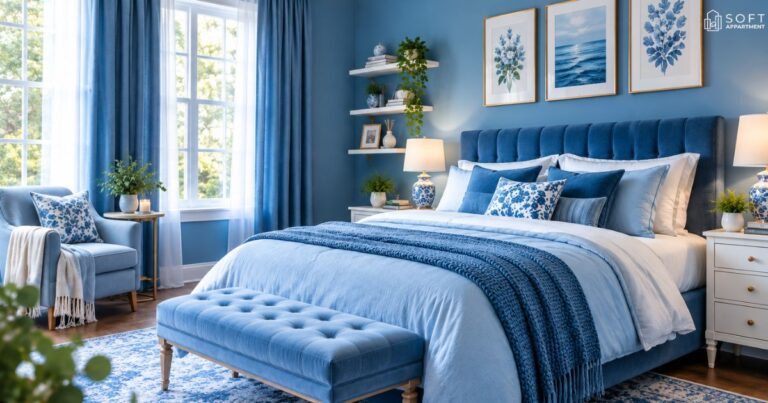
Pick warm white, soft greige, or pale sage for the walls. Cool whites can feel icy under LED bulbs. Warm tones feel like sunshine on a cloudy day. Want a cooler mood instead? Light blue-gray works well, and these blue bedroom ideas show more shades to try. A gallon of quality paint costs $30 to $50. One gallon covers about 350 square feet. Use a matte or eggshell finish to hide wall flaws.
Paint Millwork the Same Color as the Walls
Paint your millwork and trim the same shade as the walls. The lines blur and the room looks taller. This trick also hides dated or scuffed baseboards. You can even paint the door to match. It’s a cheap designer move that costs only a quart of paint and a free Saturday.
Go Moody on Purpose
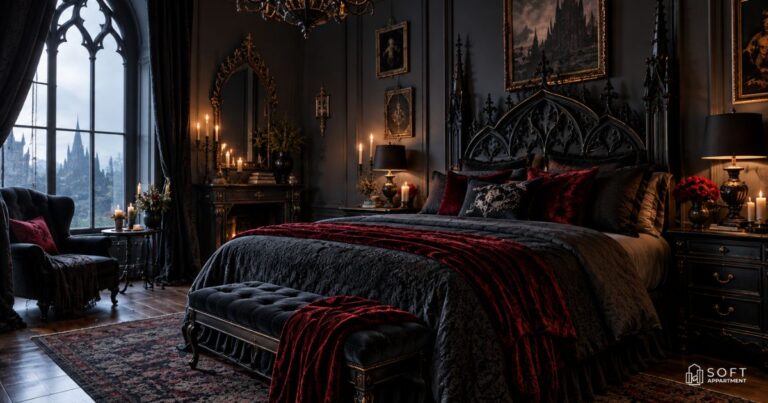
Love dark rooms? Try deep navy or forest green. Dark colors can feel like a warm hug. But they need strong lighting or they’ll feel gloomy. Paint the ceiling and trim the same dark shade for a den-like feel. Add warm bulbs and pale bedding to keep it from feeling heavy.
How to Add Layered Lighting & Maximize Natural Light
One overhead fixture makes a basement feel like a waiting room. Good basement bedroom lighting uses layers. Layered lighting blends three types of light. Together they create depth, comfort, and glow.
Next, squeeze every drop of natural light from what you have. Clean the window wells and trim any plants blocking them. Then bounce that daylight around with mirrors and glossy finishes. Small steps add up quickly.
| Light Layer | Job | Budget Example | Approx. Cost |
| Ambient | Fills the room | Flush-mount LED fixture | $30 to $80 |
| Task | Helps you read | Bedside lamps or plug-in sconces | $25 to $60 each |
| Accent | Adds glow | LED strip behind headboard | $15 to $40 |
Layer Ambient, Task, and Accent Lighting
Use warm 2700K bulbs in every fixture. They mimic candlelight and feel calm. Plug-in wall sconces save you from wiring costs. Put lamps on dimmer plugs so you can set the mood. Add an LED strip under the bed frame for a soft night glow. Layers make a small room feel bigger.
Hang a Wall of Curtains to Fake a Window
Hang floor-to-ceiling drapery panels across a blank wall. Place them behind the bed for a hotel look. Slip a thin LED light panel behind the fabric. Now it glows like a real window. Choose light, sheer fabric in white or cream. The whole project costs under $100 for most rooms.
Use Mirrors and Glossy Finishes to Bounce Light
Place a large mirror across from your window well. It doubles the daylight. Pick a satin or eggshell paint on the ceiling for extra glow. Glossy lamp bases and metallic frames also catch light. Keep mirrors away from damp corners, though. Moisture can damage the backing over time.
Cozy Textiles, Bedding & Upholstery Ideas
Texture turns a cold room into a hug. Soft cozy textiles absorb sound and warm up hard surfaces. They also make a plain room feel finished. You don’t need designer prices to get this look.
A true cozy basement bedroom relies on soft touches. Smart basement bedroom decor mixes fabrics like knit, velvet, and linen. Try three textures in one color family. It looks rich without looking busy.
Layer Your Bedding for a Cozy Basement Bedroom
Stack a duvet, a quilt, and a chunky throw at the foot of the bed. Add two sleeping pillows and two euro shams. Flannel and waffle-knit sheets hold heat well in cold months. Choose washable fabrics because basements collect dust. Big-box stores often sell full sets for under $150.
Add Cozy Upholstery
An upholstered headboard adds softness and blocks cold wall air. A bouclé or velvet accent chair makes a perfect reading nook. Try IKEA, Target, or local thrift stores for bargains. Look for slipcovers that you can wash. Keep upholstery off the floor with wooden legs. That helps prevent damp odors.
Smart Storage Ideas for a Small Basement Bedroom
Basements tempt you to stash everything. Resist that urge. Clutter makes a dim room feel even smaller. The best basement bedroom storage ideas use vertical space and stay off damp floors.
Plan storage early. Some small basement bedroom ideas save space by hiding items under the bed. Others go up the wall. Choose closed bins with tight lids because they guard against moisture and dust. A tidy room also feels calmer. Need a spot for clothes? These bedroom closet styling tips help you organize a tight closet.
Use Under-Bed and Vertical Storage
Lift your bed with sturdy risers to gain six to eight inches of space. Slide in lidded plastic bins. Then add tall, narrow shelves against one wall. Bolt them to the studs for safety. Use baskets for blankets and off-season clothes. Store nothing directly on concrete, since damp air can creep in.
Choose Multi-Use Furniture
Every piece should work twice. A storage ottoman holds blankets. A bench at the foot of the bed hides shoes. A daybed can serve as a sofa by day and a guest bed by night. Pick furniture with legs so air can move underneath. Secondhand shops often sell solid pieces for a fraction of retail.
How to Disguise Pipes, Beams & Other Basement Eyesores
Every basement hides something ugly. Exposed pipes and beams show up in almost every older home. You have three choices. Hide them, paint them, or make them a feature. Each option works on a modest budget.
A DIY basement bedroom project can handle most of this in a weekend. Just remember one rule. Never seal off shutoff valves or cleanouts. Leave access panels so a plumber can reach them later. A little planning saves big repair bills.
Box In, Wrap, or Paint Pipes
Build simple boxes from lightweight drywall or thin wood. Slip them around pipes and add small access doors. For a fast fix, wrap pipes in fabric tape or faux-wood wrap. Painting them the same color as the ceiling also works. Never cover a pipe without insulating hot water lines first.
Turn Beams and Soffits Into Features
Paint the ceiling, beams, and soffits all one color. The eye stops noticing them. Dark paint hides mess and adds drama. White paint lifts a low ceiling height. You can also wrap beams in thin wood planks for a rustic look. Add warm LED tape along the edge for a soft glow.
Basement Bedroom Design Styles to Copy
Want a shortcut? Pick one look and copy it. Need basement bedroom ideas that feel complete? These six styles give you a palette and a shopping list. Each one fits a basement bedroom makeover on almost any budget.
Choose the style that suits your family. Then stick to it. Sticking to one look keeps a basement bedroom on a budget from feeling random. Use the table below to compare your options at a glance.
| Style | Budget Level | Difficulty | Best For |
| Calm & Classic | Low | Easy | Guest rooms |
| Rustic With a Modern Edge | Medium | Medium | Family homes |
| Moody & Intimate | Medium | Medium | Teens and couples |
| Minimal & Clutter-Free | Low | Easy | Small rooms |
| Boutique Hotel Feel | Medium to high | Medium | Frequent guests |
| Family-Friendly Bunk Room | Medium | Medium | Kids and sleepovers |
Calm & Classic
Think soft greige walls, white bedding, and a navy throw. Add a simple wood nightstand and two matching lamps. The look feels timeless and quiet. It’s the easiest way to build a welcoming spare room without spending much. For a tidier, navy-and-white twist, browse these preppy bedroom ideas.
Rustic With a Modern Edge
Mix a chunky knit blanket with black metal lamps. Add a reclaimed-wood headboard or shelf. Keep walls light so the wood pops. The blend of rough and clean feels warm without feeling like a cabin. Want a deeper woodland mood? These forest bedroom ideas offer plenty of earthy inspiration.
Moody & Intimate
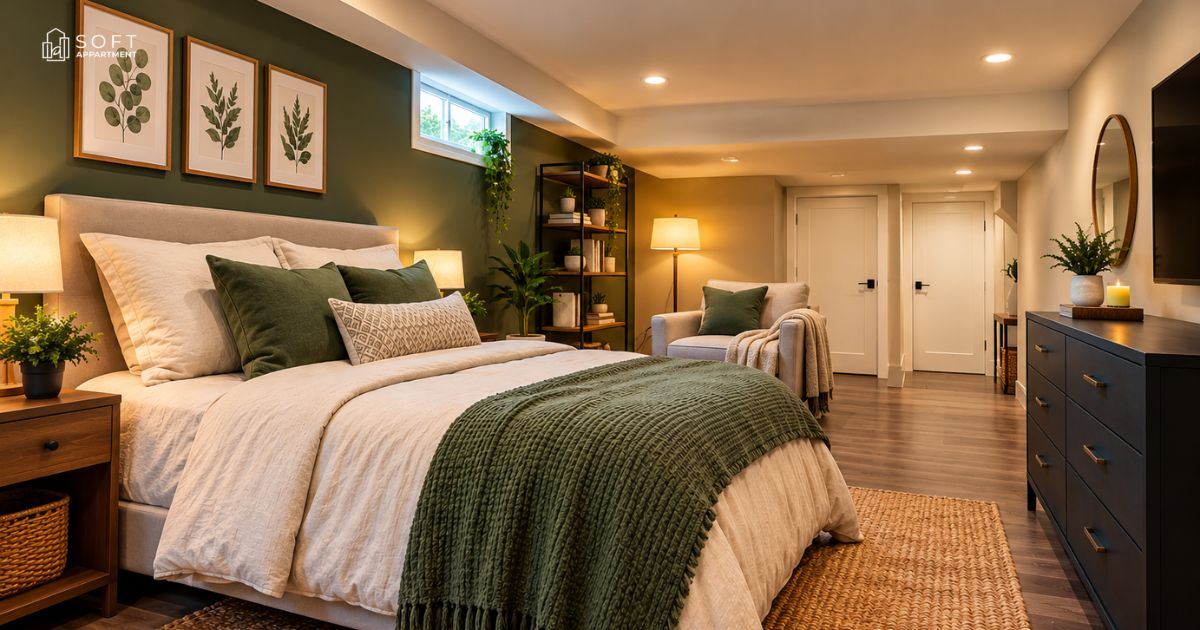
Paint the walls a deep green or charcoal. Layer velvet pillows and brass lamps. Add warm bulbs and candles for glow. This style feels like a hidden lounge. It works best when you have decent lighting and a bit of daylight. Fans of dark, dreamy rooms will love these whimsigoth bedroom ideas.
Minimal & Clutter-Free
Keep the palette to white, oatmeal, and one wood tone. Choose a low platform bed and one large piece of art. Hide everything else. This clean look makes a tight space feel open and calm.
Boutique Hotel Feel
Hang floor-length curtains and add a tufted headboard. Stack white bedding with a folded throw. Place a tray with water glasses on the nightstand. Small hotel touches make guests feel pampered.
Family-Friendly Bunk Room
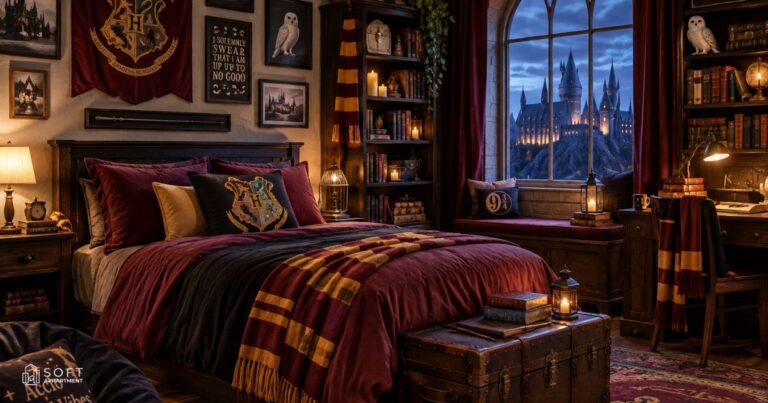
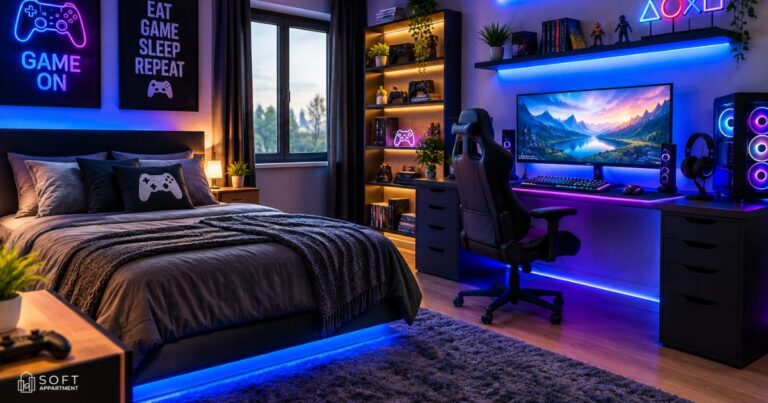
Use sturdy bunk beds with safety rails and a washable rug. Add a shelf and hooks at kid height. Pick durable, wipeable paint. Bright accents keep the room fun. Just check ceiling height before you stack the beds. Older kids might also love a hangout corner, so peek at these gaming bedroom ideas.
Finishing Touches: Wood Tones, Art, Vintage Decor, Plants & Candles
Small details give a room its soul. They cost little yet feel personal. Try mixing warm wood tones with soft light and a few living things. The mix balances cool concrete and drywall.
Choose finishing touches after the big work is done. Then edit ruthlessly. Three meaningful items beat ten random ones. These final layers turn a fixed-up room into a place you’ll actually love.
Bring in Warm Wood Tones
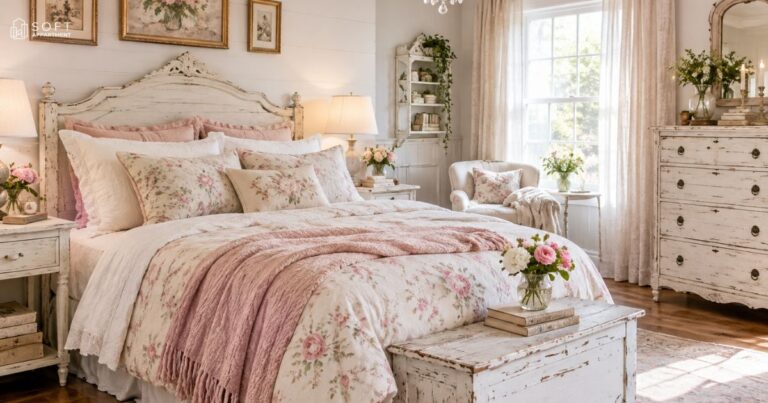
Add a wood nightstand, shelf, or headboard. Wood softens the hard edges of concrete and drywall. Mix two shades at most so the room stays calm. Thrift stores and online marketplaces sell solid pieces cheaply. A quick sanding and a coat of wax can bring old furniture back to life.
Make a Statement With Art and Vintage Finds
Hang one oversized print above the bed. Or build a gallery wall with thrifted frames. Vintage lamps, brass mirrors, and old trays add character. Skip fragile canvas in damp spots. Choose framed glass prints instead. A thrifted piece tells a story that a big-box item can’t.
Add Plants, Candles, and Guest Comforts
Pothos and snake plants thrive in low light. Use flameless candles for safety and cozy glow. For a guest space, stock a basket with water, a phone charger, and an extra blanket. These small gestures make visitors feel truly welcome. They cost less than $40 in total.
Mini case study. Here’s a composite example built from typical US prices. A family turned a 12×14 spare room into a bedroom. They sealed cracks, laid vinyl plank, painted with a high-LRV warm white, and added layered lighting. The basement bedroom before and after looked like two different houses. Total cost landed near $1,270.
| Item | Approx. Cost |
| Vinyl plank flooring (168 sq ft) | $500 |
| Paint and supplies | $110 |
| Lamps, sconces, and LED strip | $90 |
| Area rug with pad | $180 |
| Bedding and pillows | $150 |
| Curtains and rods | $60 |
| Dehumidifier | $180 |
| Total | $1,270 |
Here’s how all 20 ideas break down by price.
| Budget Tier | Ideas |
| Under $50 | Moisture test, radon kit, millwork paint, mirrors, plants and candles |
| $50 to $200 | Area rug, light paint, lighting layers, curtain wall, layered bedding, storage bins, art |
| $200+ | Flooring, beadboard ceiling, egress window, upholstery, multi-use furniture, pipe boxes |
FAQ: Basement Bedroom Questions Answered
What makes a basement bedroom legal in the US?
A legal bedroom in most US areas needs an egress window or door. It also needs a ceiling height of at least 7 feet. Working smoke and carbon monoxide alarms are required too. Rules vary by city and state. Call your local building department before you spend money.
How do you make a basement bedroom feel less damp and dark?
Start with moisture and humidity control. Seal leaks and run a dehumidifier set near 45 percent. Then add layered lighting and light paint. Mirrors and pale drapery panels help too. A dry room feels brighter and smells fresher.
What is the best paint color for a basement bedroom?
Pick warm, light shades with a light reflectance value of 60 or more. Warm white, soft greige, and pale sage all work well. Test samples on two walls. Check them at night under your real bulbs before you commit.
How much does a basement bedroom makeover cost?
Most cosmetic makeovers run about $500 to $2,000. Paint, a rug, lighting, and bedding cost far less than new floors. Framing, drywall, or a new egress window can add thousands. Set a budget first and rank your priorities.
How do you heat and cool a basement bedroom?
Basements run cool in winter and humid in summer. Add a small electric baseboard heater or a mini-split if ducts don’t reach. A dehumidifier handles summer dampness. Insulate the walls and seal gaps to keep heat in.