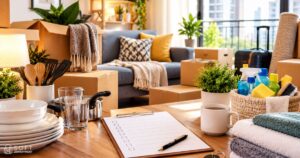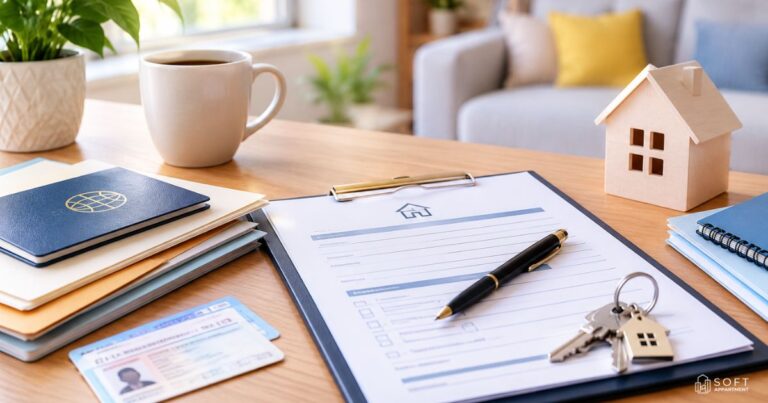




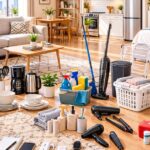




Picture this. You just signed your lease. The keys feel heavy in your hand. Then you walk in and realize you own no forks, no sofa, and no plan. Sound familiar? These first apartment tips will fix that fast. Moving out feels exciting but can drain your wallet quickly. Smart apartment budget planning keeps your cash safe from day one.
A clear first apartment checklist shows you what to buy first. Meanwhile, simple first time renter tips help you dodge costly mistakes. Ready to save big? Let’s walk through 15 proven secrets that make moving into your first apartment easy, affordable, and stress-free. Grab a coffee and settle in. You’ve got this.
First Apartment Tips: Save Up and Set a Realistic Budget
Money decides how smooth your move feels. Start saving at least three months before you sign. Most landlords want the first month’s rent and a security deposit upfront. Moving costs and basic purchases come on top. Good apartment budget planning keeps those surprises small.
Next, set your apartment budget. Many experts suggest spending no more than 30% of your gross income on rent, a benchmark that HUD uses to define affordable housing. Then split your take-home pay using the 50/30/20 rule. Track rent and utilities closely. They eat your cash faster than you expect.
| Monthly Expense | Sample Amount |
| Rent | $1,200 |
| Utilities | $120 |
| Internet and phone | $90 |
| Groceries | $300 |
| Renters insurance | $15 |
| Savings | $250 |
First Apartment Tips for Choosing the Right Location
Your apartment location shapes your daily life. Check the commute first. Then walk the block at night. Look for grocery stores, bus stops, and well-lit streets. A great unit means little if you dread the trip home.
Hidden costs also hide in the map. Parking permits can add up fast. Transit passes cost money too. Meanwhile, trendy areas often charge more for groceries and coffee. Follow these first time renter tips and compare the full monthly price. Don’t compare rent alone. You can also read the CFPB’s renter resources to understand your money rights.
Apartment Hunting Tips: How to Inspect Before You Sign
Always tour in person. Photos hide flaws. Visit once during the day and once at night. You’ll notice noise, traffic, and parking issues. These apartment hunting tips protect you from nasty surprises. Bring a friend for a second opinion.
Use a simple apartment inspection checklist during the visit. Run the faucets and flush the toilet. Test every outlet with your phone charger. Check your cell signal too. Look for mold, stains, and pest droppings. Take photos of every flaw you find. Know your tenant rights as well, since HUD explains renter basics in plain language.
| Area | What to Check |
| Kitchen | Water pressure, fridge, stove, and cabinets |
| Bathroom | Leaks, mold, and drainage |
| Bedroom | Outlets, windows, and locks |
| Whole unit | Heat, air conditioning, and pests |
First Apartment Checklist: Essentials You Need Room by Room
Buying everything at once drains your wallet. A smart first apartment checklist works in tiers. Day one needs a bed, towels, and toilet paper. Month one adds small extras. Nice-to-haves can wait. This keeps your first apartment essentials affordable and your stress low.
Here’s a simple way to sort your apartment must-haves. Buy what you need to sleep, eat, and stay clean first. Then add comfort items slowly. Most furniture and appliances can come secondhand. That’s where your biggest savings hide. Don’t forget supplies for the first scrub, so see our cleaning essentials guide before move-in.
Entryway and Living Area
Start with a doormat and a shoe rack. They keep dirt out and clutter down. Add a sofa and a lamp next. A used couch from a local listing often looks great after a good cleaning. For more ideas, check our living room essentials list.
Kitchen Essentials
Your kitchen essentials don’t need to be fancy. Grab one pot, one pan, and a sharp knife. Add plates, bowls, forks, and a cutting board. A kettle or coffee maker helps too. Skip gadgets until you cook weekly. Our full first apartment kitchen essentials guide covers every item.
Bedroom and Bathroom
Sleep comes first. Buy a quality mattress and two sets of sheets. In the bathroom, you’ll need a shower curtain, towels, and a plunger. Don’t forget a small trash can. Nobody enjoys that last-minute store run.
Home Office and Safety Items
Working from home needs a desk and a comfortable chair. Add a power strip with surge protection. For apartment safety, test the smoke detector and keep a first-aid kit handy. The NFPA offers solid home fire safety advice. Also learn where the fire exits are.
| Room | Must-Have Items | Estimated Budget |
| Entryway and living | Doormat, sofa, lamp | $250 to $600 |
| Kitchen | Cookware, dishes, knives | $150 to $300 |
| Bedroom | Mattress, bedding | $300 to $700 |
| Bathroom | Towels, curtain, supplies | $50 to $100 |
| Office and safety | Desk, power strip, first-aid kit | $100 to $300 |
First Apartment Moving Tips: Declutter, Pack and Hire Movers
Before you pack, declutter and pack in the right order. Sort first. Sell or donate what you don’t need. Then box up one room at a time. Label every box with the room name. Use a moving checklist so nothing slips through.
Next, choose your helpers. A DIY move costs less but takes more effort. If you hire professional movers, get three quotes. Pick a licensed moving company with solid reviews. The FMCSA’s Protect Your Move page helps you spot moving scams. Your moving cost depends on distance, size, and timing. Weekday moves often cost less.
| Option | Cost | Time | Risk |
| DIY move | Low | High | Back strain and damaged items |
| Professional movers | Higher | Low | Scams if you skip research |
First Apartment Setup Tips: Floor Plan, Deliveries and Move-In Day
Sketch a floor plan before you buy furniture. Measure every room. Measure doorways and elevators too. Nothing hurts like a sofa that won’t fit through the door. A simple drawing on paper works fine. Smart new apartment setup begins with numbers.
Then schedule your deliveries. Book internet installation early because slots fill up. Switch on your utilities before move-in day. Take dated photos of the unit’s condition. Strong move-in day preparation saves you from deposit disputes later. Keep your lease papers within reach.
Your Move-In Day Timeline
One week before, confirm your movers and utilities. The night before, pack a “first night” bag with chargers, sheets, and snacks. On the day itself, inspect the unit, photograph any damage, and email the photos to your landlord for a record.
First Apartment Decorating Tips on a Budget
You don’t need a big wallet to make your place cozy. Try thrift stores, Facebook Marketplace, and curbside finds. Paint a thrifted dresser for a fresh look. This is apartment decorating on a budget at its best. Patience pays off here.
Rentals have rules, so choose renter-friendly options. Removable hooks protect your walls. Peel-and-stick wallpaper adds personality without damage. A rug and a few plants warm up any room. Smart home organization also makes small spaces feel larger. Baskets and shelves do wonders. Browse our bedroom and closet styling ideas for more inspiration.
Where to Splurge and Where to Save
Spend more on things you use daily, like your mattress and desk chair. Save on décor, frames, and bookshelves. A good night’s sleep beats a fancy throw pillow every single time.
First Apartment Mistakes to Avoid: 5 Common Don’ts
Every new renter makes mistakes. Maria, a first-time renter in Ohio, skipped her deposit photos. Her landlord kept $300 for old scuffs. That’s a painful lesson. The five mistakes below are easy to avoid. Read them before you start moving into your first apartment.
| Mistake | Why It Hurts | Better Move |
| Choosing a place that clashes with your lifestyle | You’ll feel stuck and unhappy | Match the home to your routine |
| Skipping renters insurance | Theft or fire could cost thousands | Pay about $10 to $20 monthly |
| Forgetting the basics | Late-night store runs get expensive | Pack a basics kit |
| Delaying utilities | You may arrive to no power | Book them two weeks ahead |
| Overspending after the move | Your savings vanish quickly | Stick to your budget |
Final Thoughts
Your first place should feel exciting. Follow these first apartment tips and you’ll save money and avoid stress. Budget early. Read your lease. Shop secondhand. Take it one step at a time. You’ve got this. Drop a comment below and tell us your biggest moving worry!
First Apartment Tips FAQs
How much money do I need to move into my first apartment?
Plan for the first month’s rent, a security deposit, and moving costs. Many renters need two to three months of rent saved. Add extra for furniture and utility setup fees.
What should I buy first for my first apartment?
Buy a bed, bedding, towels, toilet paper, and basic kitchen items first. These cover sleeping, eating, and hygiene. Everything else can wait until your budget allows.
Is renters insurance worth it for a first apartment?
Yes. It usually costs little each month. It covers your belongings during theft, fire, or water damage. Learn more from the NAIC, which helps consumers compare insurance basics.
How much should I spend on rent?
A common guideline says keep rent near 30% of your gross income. Your needs may vary. Always check that rent and utilities fit your full budget.
Should I use a moving company for a small apartment?
Not always. A small move can work with friends and a rental van. However, professional movers save time and protect heavy furniture. Compare quotes before you decide.