





![Documents Needed to Rent an Apartment: 11 Must-Have Papers [2026]](https://softappartment.com/wp-content/uploads/2026/10/documents-needed-to-rent-an-apartment-11-must-have-papers-150x150.jpg)



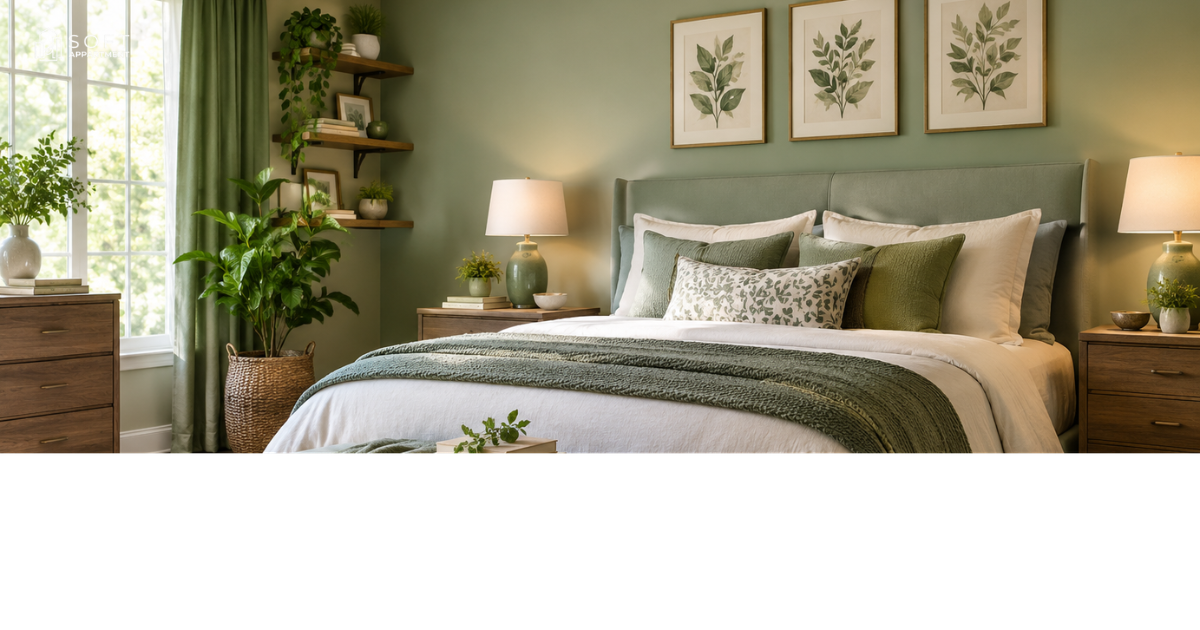
A sage green bedroom can feel calm, fresh, and wonderfully timeless. This soft green shade brings a subtle connection to nature without making your space feel overly colorful. Whether you prefer modern simplicity, cozy farmhouse charm, or relaxed bohemian style, sage can adapt beautifully. You can introduce it through sage green walls, bedding, furniture, or small decorative accents.
Better yet, this color pairs effortlessly with cream, white, warm wood, blush pink, and navy. With the right balance, even a small room can feel inviting and spacious. From choosing the perfect sage green paint to adding natural textures and thoughtful botanical artwork, these ideas will help you create a peaceful bedroom you’ll love coming home to.For more room inspiration, browse our full Bedroom & Closet Styling collection.
Showcase Sage Green Bedding and Soft Textures
Start with the bed because it usually becomes the room’s visual centerpiece. Sage green bedding can instantly soften a plain bedroom while adding gentle color. Choose cotton, linen, quilted covers, or a textured duvet for depth. Then layer Throw pillows and blankets without making the bed look overly busy.
Texture matters just as much as color. Combine smooth sheets with chunky knits, woven fabrics, or subtle patterns. Colorful bedding can also work when the surrounding palette stays restrained. For example, sage paired with cream and muted florals creates a relaxed look that feels polished rather than predictable.
Create a Layered Sage Green Bed
A layered bed should look inviting rather than perfectly arranged. Start with simple sheets, add a duvet, then finish with two or three pillows. Mix fabric weights carefully. Natural textures such as linen and cotton bring softness while keeping the overall design breathable and relaxed.
Choose the Perfect Sage Green Shade for Your Bedroom
Not every sage shade looks the same. Some lean gray while others carry yellow or blue undertones. Before choosing Sage green paint, test several samples beside your flooring and trim Benjamin Moore’s sage and green color gallery and Sherwin-Williams’ green paint collection both offer peel-and-stick or physical swatches worth ordering before you commit. Natural daylight can change the color dramatically throughout the day, especially near large windows.
Room orientation also matters. North-facing rooms often make green appear cooler. South-facing rooms usually reveal warmer undertones. For smaller bedrooms, lighter sage can maintain an airy feeling. Deeper shades create more drama. Always observe samples during morning, afternoon, and evening before making your final decision.
Match Sage Green to Natural Light
Think of paint as a changing backdrop rather than a fixed color. A shade that looks perfect online may appear completely different inside your bedroom. Compare samples beside curtains, furniture, flooring, and lamps. This simple step can prevent an expensive repaint later.
Create a Sage Green Accent Wall
An Sage green accent wall gives you color without requiring a complete room makeover. The wall behind your headboard often makes the strongest statement. You can also use a painted panel, subtle pattern, or textured finish. This approach works especially well when your furniture already has a neutral palette.
For a stronger effect, consider Sage green walls throughout the room. A continuous color can make architectural features feel more intentional. Meanwhile, Wallpaper introduces pattern and personality. Choose botanical, geometric, or understated designs that complement your sage shade rather than fighting against it.
Add Wainscoting for Architectural Character
Wainscoting can give plain walls a tailored appearance without overwhelming the bedroom. Paint the lower section sage and keep the upper portion creamy white. For a bolder approach, use Floor-to-ceiling walls in one consistent shade for an enveloping, sophisticated effect.
Pair Sage Green With Neutrals for a Calm Look
Sage naturally works with Neutral colors because both palettes feel quiet and adaptable. Cream, ivory, beige, taupe, and warm white can make the bedroom feel brighter. A Sage green and white bedroom offers especially strong contrast while preserving a clean and peaceful mood.According to color psychology research from Verywell Mind, muted greens like sage are linked to feelings of balance and calm one reason this pairing feels so restful.
However, avoid using too many cool whites with a grayish sage. The room may start feeling flat or chilly. Instead, introduce creamy fabrics, warm rugs, or aged finishes. Sage green and neutral colors become much richer when different tones and textures work together.
Build Contrast Without Losing Calm
Contrast doesn’t require dramatic black walls or bright colors. A walnut nightstand, darker rug, or framed artwork can provide enough definition. Keep large surfaces quiet, then introduce stronger contrast through smaller details. This creates visual rhythm without disturbing the bedroom’s restful character.
Add Warmth With Wood and Earth Tones
Wood can completely change how sage feels. Warm wood tones bring depth to pale green walls and prevent the room from feeling sterile. Oak, walnut, pine, rattan, and cane all work well. These materials also connect beautifully with Earth tones such as clay, sand, terracotta, and tan.
Consider a wooden bed frame with matching nightstands for a cohesive foundation. You don’t need every piece to match perfectly. Slight variations often make the room feel more collected. Natural wood also ages gracefully, which helps sage remain attractive as your decorating taste changes. If a warm, rustic look appeals to you, our Modern Farmhouse Bedroom guide builds on this same idea.
Mix Natural Materials With Modern Pieces
You can combine rustic materials with contemporary furniture surprisingly well. Try a streamlined upholstered bed beside a woven nightstand. Add a wood bench at the foot of the bed. This blend keeps the room current while preserving the warmth that makes sage so appealing.
Try Sage Green With Pink, Navy, and Other Colors
Sage becomes surprisingly versatile when you introduce a second accent color. A Sage green and pink bedroom can feel soft and romantic when you choose dusty rose or blush. For stronger contrast, Sage green and navy blue creates a sophisticated palette with more visual weight.
Other options include terracotta, muted yellow, dusty blue, and warm rust. Use one supporting shade rather than several competing colors. A pink chair, navy blanket, or patterned rug may be enough. The goal is harmony. Think of accent color as seasoning rather than the main ingredient.
Choose One Supporting Accent Color
A simple 60-30-10 approach can help you balance the palette. Let sage dominate, use a neutral shade for larger furnishings, then reserve your accent color for smaller pieces. This method keeps colorful combinations controlled while still giving the room personality and energy.
Bring Nature Indoors With Botanical Details
Sage already carries a natural feeling, so botanical elements make an easy pairing. Add Leafy green foliage through potted plants, eucalyptus stems, or realistic faux greenery. Then introduce Botanical artwork through framed leaves, floral prints, or understated nature-inspired illustrations. If you’re new to indoor plants, The Sill’s beginner plant guide covers easy, low-maintenance options for bedrooms with limited light.
Materials matter here, too. Woven baskets, jute rugs, wood frames, and linen curtains reinforce the organic theme. If your bedroom receives little sunlight, choose low-maintenance plants or quality faux foliage. Keep the arrangement intentional. Too many plants can make a refined bedroom feel more like a greenhouse.
Add Botanical Details Without Overcrowding
Choose one visual anchor, such as a large plant or botanical print. Then repeat smaller natural details around the room. This creates continuity without clutter. A simple eucalyptus branch beside the bed may have more impact than several unrelated decorative pieces scattered everywhere.
Explore Sage Green Bedroom Styles
One reason this color remains popular is its adaptability. Farmhouse style bedrooms can combine sage with white shiplap, distressed wood, and simple textiles. A Boho bedroom can lean toward woven accents, layered fabrics, rattan furniture, and relaxed patterns. Traditional rooms can use deeper sage with classic furniture.
Sage also suits vintage, industrial, modern cottage, rustic, and minimalist interiors. The furniture determines much of the personality. Sleek silhouettes make sage feel contemporary. Ornate furniture gives it a classic character. You can therefore change the room’s style without abandoning the color itself.
Adapt Sage to Your Existing Style
You don’t need to replace everything. Start with one meaningful change, such as a painted wall, new duvet, or upholstered headboard. Then add smaller coordinating pieces. This gradual approach saves money while allowing you to see how the color behaves in your actual space helpful whether you’re redecorating or settling into a brand-new apartment.
Make a Dark Sage Green Bedroom Feel Cozy
A Dark sage green bedroom creates a deeper and more intimate atmosphere. It can make a large bedroom feel grounded rather than cavernous. Pair dark sage with cream bedding, warm timber, brass hardware, and soft rugs. These lighter elements keep the darker palette from becoming visually heavy.
Lighting becomes especially important with deeper green. Use warm bulbs rather than harsh daylight bulbs Lutron’s guide to color temperature explains how kelvin ratings affect a room’s mood if you want to go deeper on bulb choice. Mirrors can also reflect available light and add spaciousness. If your room is small, consider using dark sage on one wall instead. That gives you the mood without making the entire room feel enclosed.
Brighten a Moody Sage Bedroom
Balance dark walls with pale fabrics and reflective surfaces. A cream headboard, light rug, or oversized mirror can provide immediate contrast. Layered lighting adds another dimension by combining ceiling fixtures, bedside lamps, and wall sconces for a softer evening atmosphere.
Finish Your Sage Green Bedroom With Lighting and Decor
The finishing details can make an ordinary room feel thoughtfully designed. Choose Sage green decor through lamps, artwork, cushions, rugs, and curtains. Keep repeating a few related tones instead of buying every accessory in the same green. Variation creates a more natural and sophisticated result.
Your Sage green bedroom accessories should also serve a purpose. A woven basket can hide extra blankets. A bedside lamp provides useful task lighting. A mirror expands visual space. Even decorative objects should earn their place. When function and beauty work together, the bedroom feels finished without becoming cluttered.
Create a Cohesive Final Look
Step back before adding anything else. Look for repeated colors, balanced textures, and comfortable pathways around the furniture. Your goal isn’t perfection. It’s cohesion. When sage, wood, textiles, lighting, and accessories support one another, the entire bedroom begins to feel calm and intentional.
Final Thoughts on Sage Green Bedroom Ideas
The best Sage green bedroom ideas don’t rely on one perfect shade or decorating formula. Instead, they balance color with light, texture, furniture, and personal style. Start small if you’re uncertain. A duvet or accent wall can reveal whether sage feels right in your space.
Once you find your preferred shade, build around it slowly. Add warm wood, soft neutrals, botanical details, or one contrasting color. With thoughtful choices, sage can turn an ordinary bedroom into a peaceful retreat that still feels fresh years from now. For more color-driven bedroom inspiration, explore the rest of the Soft Apartment blog.
Frequently Asked Questions About Sage Green Bedroom Ideas
Is sage green a good color for a bedroom?
Yes, sage is an excellent bedroom color because it feels soft and nature-inspired. It works with warm and cool palettes. Its muted character also makes it easier to live with than brighter greens.
What colors go best with sage green?
Cream, white, beige, warm wood, dusty pink, navy, terracotta, and muted blue all pair beautifully with sage. Your best choice depends on whether you want the room to feel airy, romantic, earthy, or dramatic.
Is sage green still popular for bedrooms?
Sage remains a strong decorating choice because it behaves more like a flexible neutral than a passing trend. Its natural undertone works across modern, farmhouse, traditional, cottage, and bohemian interiors.
What color bedding looks best with sage green walls?
White, cream, beige, natural linen, blush, and muted floral bedding all work well. For contrast, try navy or charcoal accents. Keep the largest bedding pieces relatively calm for a restful appearance.
Can dark sage green work in a small bedroom?
Absolutely. Use it strategically with light bedding, mirrors, warm lighting, and pale flooring. Painting one wall can also create a moody focal point without making the entire room feel smaller.